Key Takeaway
Managing persistent inflammation requires advanced, non-invasive modalities that stimulate healing at the cellular level. This technical resource examines low-level light therapy mechanisms, the physiological impact of cold laser treatment in Kelowna on joint swelling, and the integration of soft tissue release strategies utilized by Active Care Health in Kelowna, British Columbia, to accelerate tissue repair and improve functional outcomes.
Physiological Foundations of Chronic Musculoskeletal Pain
Chronic musculoskeletal pain originates from persistent tissue irritation, micro-trauma, and localized inflammatory cascades. When workers experience ongoing physical labor strain, musculoskeletal structures undergo repeated mechanical stress. This repetitive stress creates persistent micro-tears in soft tissues, which subsequently trigger chronic inflammatory responses. Over time, these unresolving inflammatory cycles lead to the formation of fibrous scar tissue, reduced local microcirculation, and persistent nociceptive signaling.
The primary physiological drivers of chronic labor-induced strain include:
- Persistent cellular hypoxia resulting from localized microvascular compression.
- Elevated pro-inflammatory cytokine concentrations within affected joint capsules and fascial planes.
- Abnormal mechanical loading patterns that perpetuate biomechanical misalignments.
- Reduced adenosine triphosphate production within stressed cellular mitochondria.
Active Care Health in Kelowna, British Columbia, approaches these chronic conditions by analyzing the underlying mechanical and cellular dysfunctions rather than managing surface symptoms. Clinical interventions focus on restoring cellular energy production, re-establishing normal blood flow, and breaking down restrictive soft tissue adhesions that limit functional movement.
Mechanisms of Low-Level Light Therapy
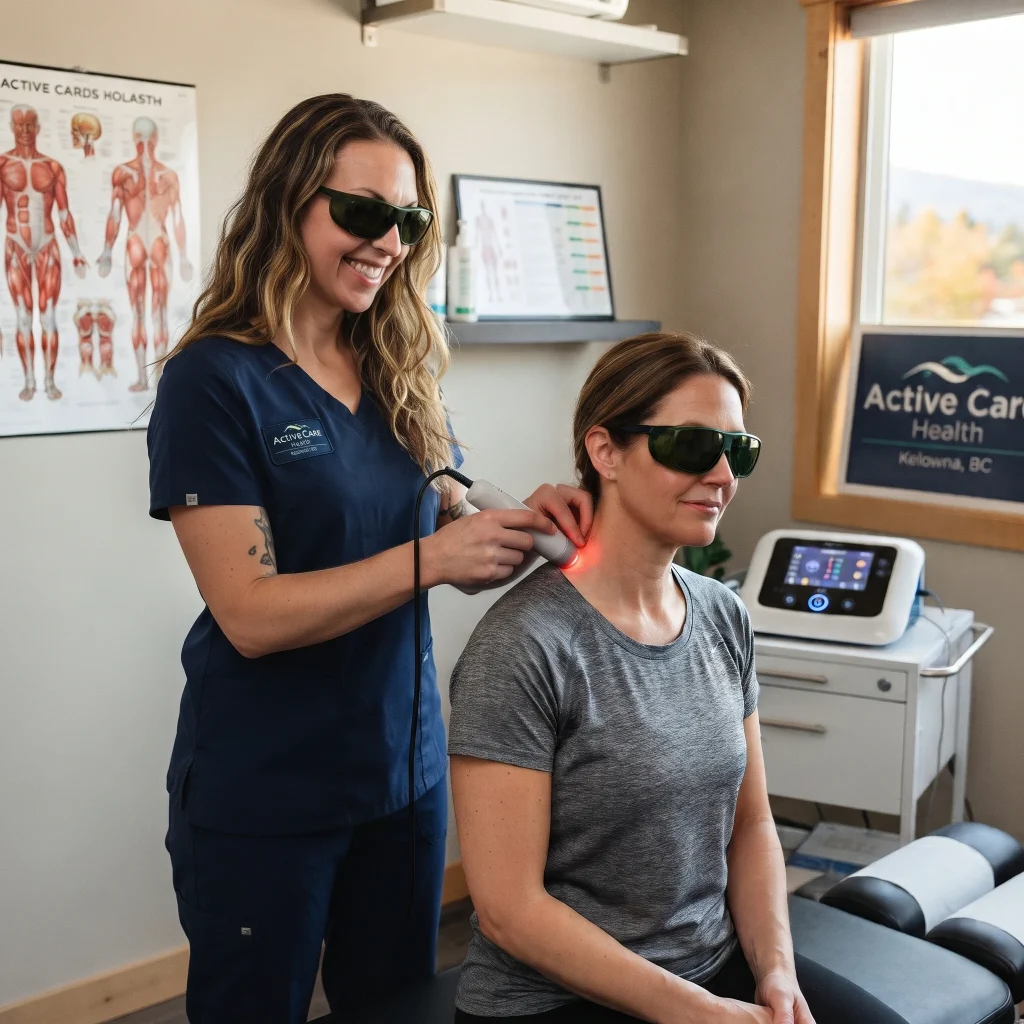
Low-level light therapy functions through the application of specific wavelengths of light to damaged biological tissues. When photons penetrate the skin and underlying soft tissues, they are absorbed by chromophores within the cellular mitochondria. Specifically, cytochrome c oxidase absorbs these photons, which subsequently upregulates electron transport and increases cellular adenosine triphosphate synthesis. This biochemical cascade promotes rapid cellular proliferation, reduces oxidative stress, and downregulates inflammatory mediators.
The technical mechanisms governing cellular recovery include:
- Photobiomodulation of mitochondrial enzyme systems to increase energy production.
- Enhanced vasodilation via localized nitric oxide release to improve tissue oxygenation.
- Accelerated fibroblastic activity supporting structural tissue remodeling.
- Modulation of neural transmission to reduce local pain signaling pathways.
Cellular Recovery Comparison Matrix
| Modality | Primary Mechanism of Action | Cellular Energy Impact | Tissue Penetration Depth | Inflammatory Modulation |
| Cold Laser Therapy | Photochemical photon absorption | Increases adenosine triphosphate synthesis | Deep penetration via specific infrared wavelengths | Suppresses pro-inflammatory cytokines |
| Traditional Ultrasound | Thermal and mechanical acoustic vibration | Minimal direct impact on mitochondrial respiration | Moderate conversion of mechanical to thermal energy | Relies primarily on secondary thermal vasodilation |
| Conventional Heat Packs | Superficial thermal conduction | Increases local metabolic rate via temperature elevation | Superficial skin and immediate subcutaneous layer | Induces passive local vasodilation |
Integration of Complementary Manual Interventions
To achieve comprehensive recovery in patients with severe labor strain, clinicians frequently combine light therapy with targeted manual manipulation. While photobiomodulation targets cellular metabolism and inflammation at the microscopic level, targeted soft tissue therapy addresses macroscopic structural restrictions. When utilizing cold laser therapy alongside specialized myofascial release techniques, practitioners can effectively address both the biochemical and biomechanical components of chronic injury.
Manual soft tissue management provides distinct physiological advantages:
- Mechanical disruption of stubborn muscular adhesions and cross-linked collagen fibers.
- Restoration of normal sliding planes between adjacent fascial layers.
- Reduction of hypertonicity in chronically overworked postural muscles.
- Enhanced lymphatic drainage to clear metabolic waste products from damaged areas.
By merging light-based cellular stimulation with expert manual care, clinical protocols at Active Care Health address the multifaceted nature of occupational injuries. This integrated model ensures that tissue healing is supported simultaneously at the biochemical, cellular, and structural levels.
Common Soft Tissue Conditions Responsive to Modal Integration
Workers engaged in heavy daily physical labor frequently present with distinct diagnostic categories of soft tissue dysfunction. Identifying these specific pathologies allows clinicians to tailor treatment parameters for optimal clinical recovery.
- Chronic Tendinopathy: Degenerative changes within tendon structures resulting from repetitive mechanical overload and failed healing responses.
- Myofascial Pain Syndrome: Persistent muscle pain characterized by localized trigger points and restricted range of motion.
- Persistent Bursitis: Inflammation of fluid-filled sacs protecting joints, driven by continuous mechanical friction or repetitive strain.
- Ligamentous Sprains: Microscopic tearing of stabilizing connective tissues caused by sudden or cumulative over-stretching forces.
- Post-Exertional Joint Swelling: Accumulation of synovial fluid and inflammatory exudate within joint capsules following rigorous physical labor.
Frequently Asked Questions
What safety considerations apply during light therapy?
Clinicians ensure safety by utilizing specific wavelength parameters that do not generate thermal tissue damage. Protective eyewear is routinely worn by both the clinician and the patient during application to prevent direct retinal exposure to coherent light sources.
What physical sensation should a patient expect during a session?
Patients typically experience a mild, neutral sensation or a very faint warmth over the treated area. The modality is entirely non-invasive, meaning there is no skin incision, electrical shock, or mechanical discomfort during the application process.
How many sessions are generally required to observe clinical changes?
The required number of sessions depends on the chronicity, severity, and specific tissue type involved in the pathology. Acute conditions may resolve within a few targeted sessions, whereas chronic occupational strain typically requires a structured series of treatments spanning several weeks.
Can this treatment be combined with physical exercise rehabilitation?
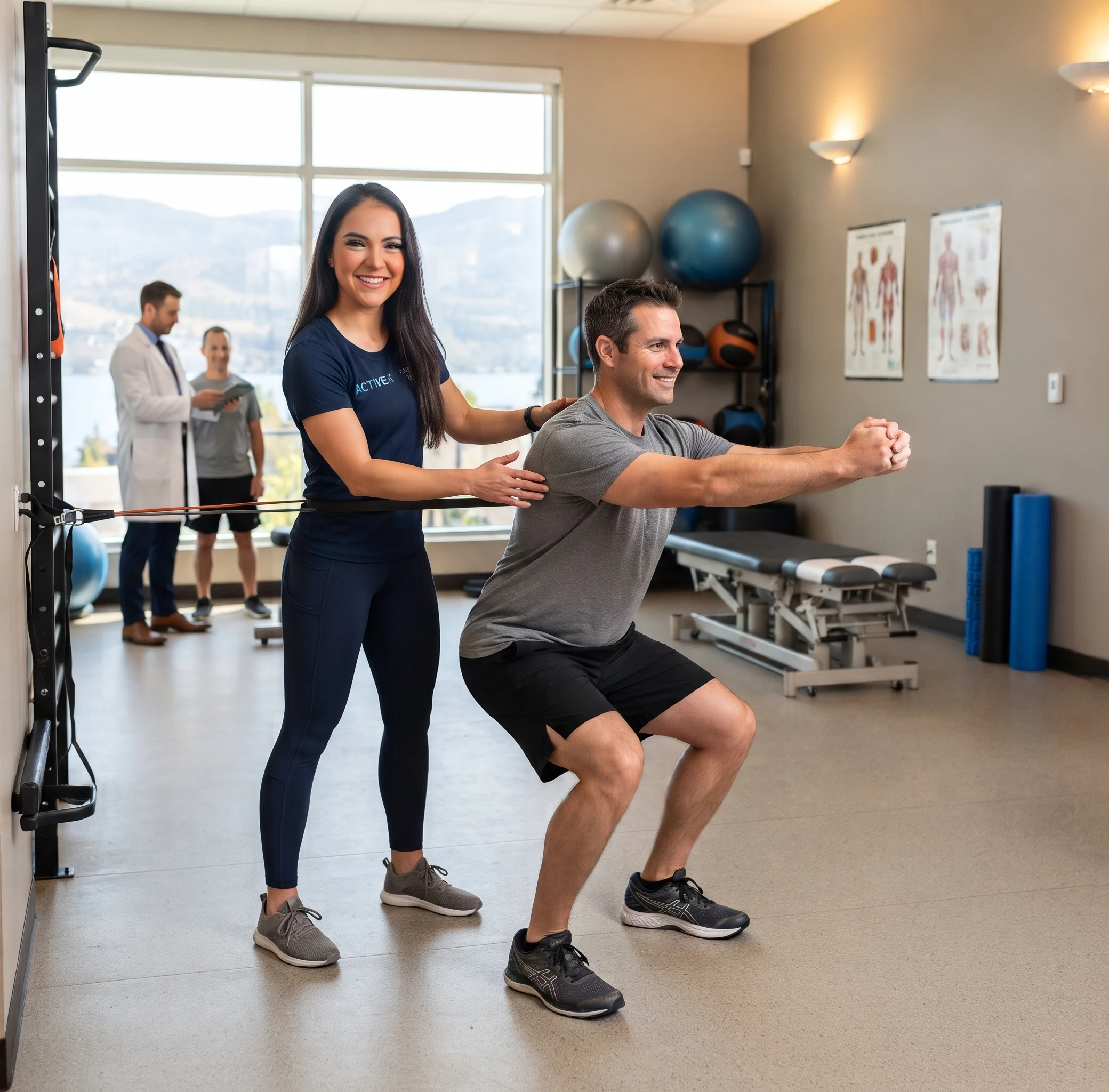
Yes, integrating light therapy with active physical rehabilitation enhances functional recovery. Modalities reduce local pain and inflammation, enabling patients to perform prescribed rehabilitative exercises with improved mechanics and reduced discomfort.
Are there any contraindications for this technology?
Yes, standard clinical contraindications include direct application over known cancerous lesions, active hemorrhaging regions, and the abdominal or pelvic regions of pregnant patients. Practitioners perform thorough intake assessments to screen for these factors prior to initiating care.