Introduction to Musculoskeletal Strain in Labor Intensive Occupations
Occupational physical labor places repetitive mechanical stress upon the axial skeleton and appendicular joints. Workers frequently encounter physical strain that manifests as cumulative microtrauma within spinal segments and peripheral articulations. Professional intervention by a qualified Kelowna chiropractor involves systematic evaluation protocols designed to identify biomechanical faults and articular restrictions. Active Care Health utilizes evidence-based diagnostic frameworks to assess kinetic chain efficiency and restore optimal load distribution across the musculoskeletal system. Patients navigating persistent physical discomfort require a thorough understanding of clinical methodologies before initiating therapeutic management programs.
Structural Assessment and Clinical Examination Protocols
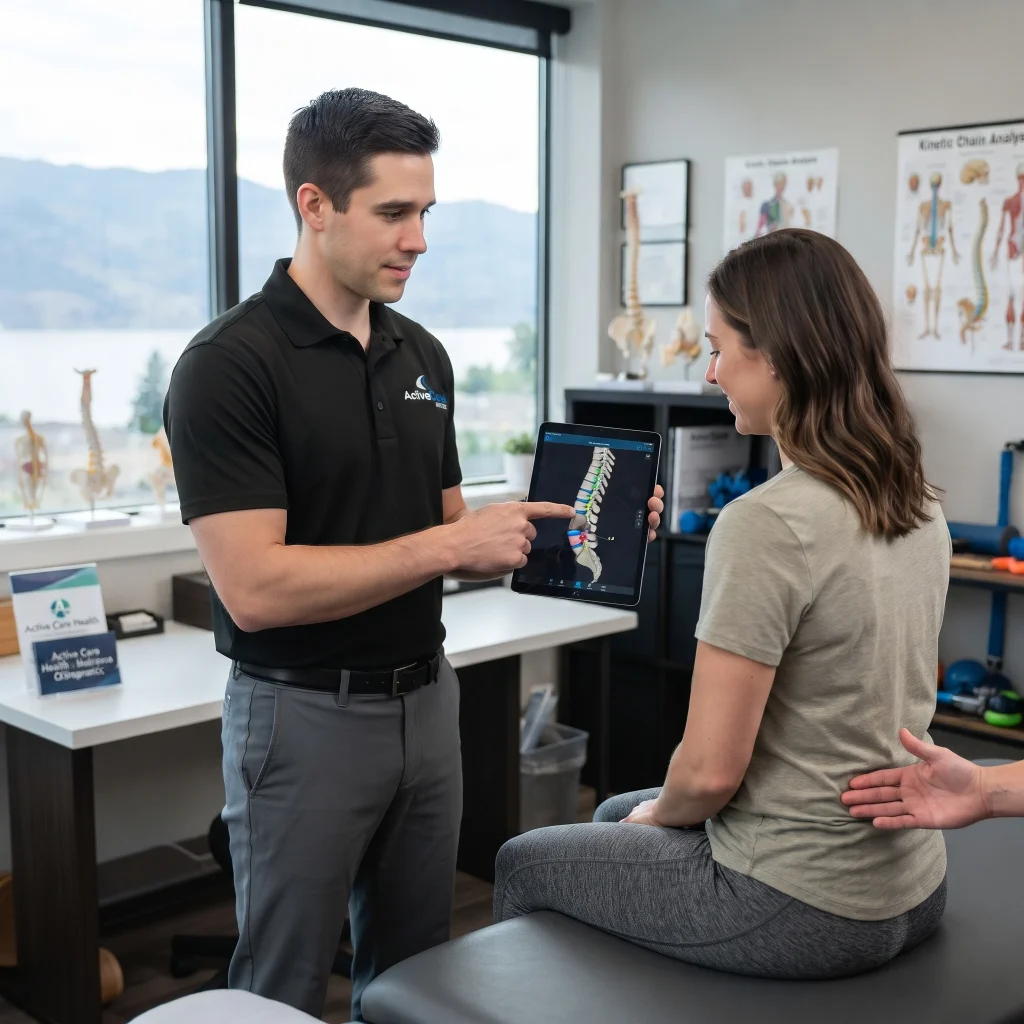
A clinical structural assessment is a comprehensive physical examination designed to locate the precise anatomical origins of musculoskeletal dysfunction and pain. The examination process begins with postural analysis, static palpation, and dynamic range of motion testing to evaluate asymmetry and joint restriction.
| Phase of Care | Clinical Actions and Objectives |
| Initial Consultation | Review of medical history, occupational ergonomics, and symptom distribution mapping. |
| Physical Examination | Orthopedic testing, neurological screening, and palpatory assessment of joint mobility. |
| Diagnostic Synthesis | Identification of biomechanical faults, misalignments, and kinetic chain dysfunctions. |
| Initial Treatment Application | Delivery of baseline manual therapy or joint manipulation based on diagnostic findings. |
| Re-Evaluation and Follow-Up | Assessment of treatment response, functional progression, and adjustment of care plans. |
Biomechanical Analysis of the Kinetic Chain
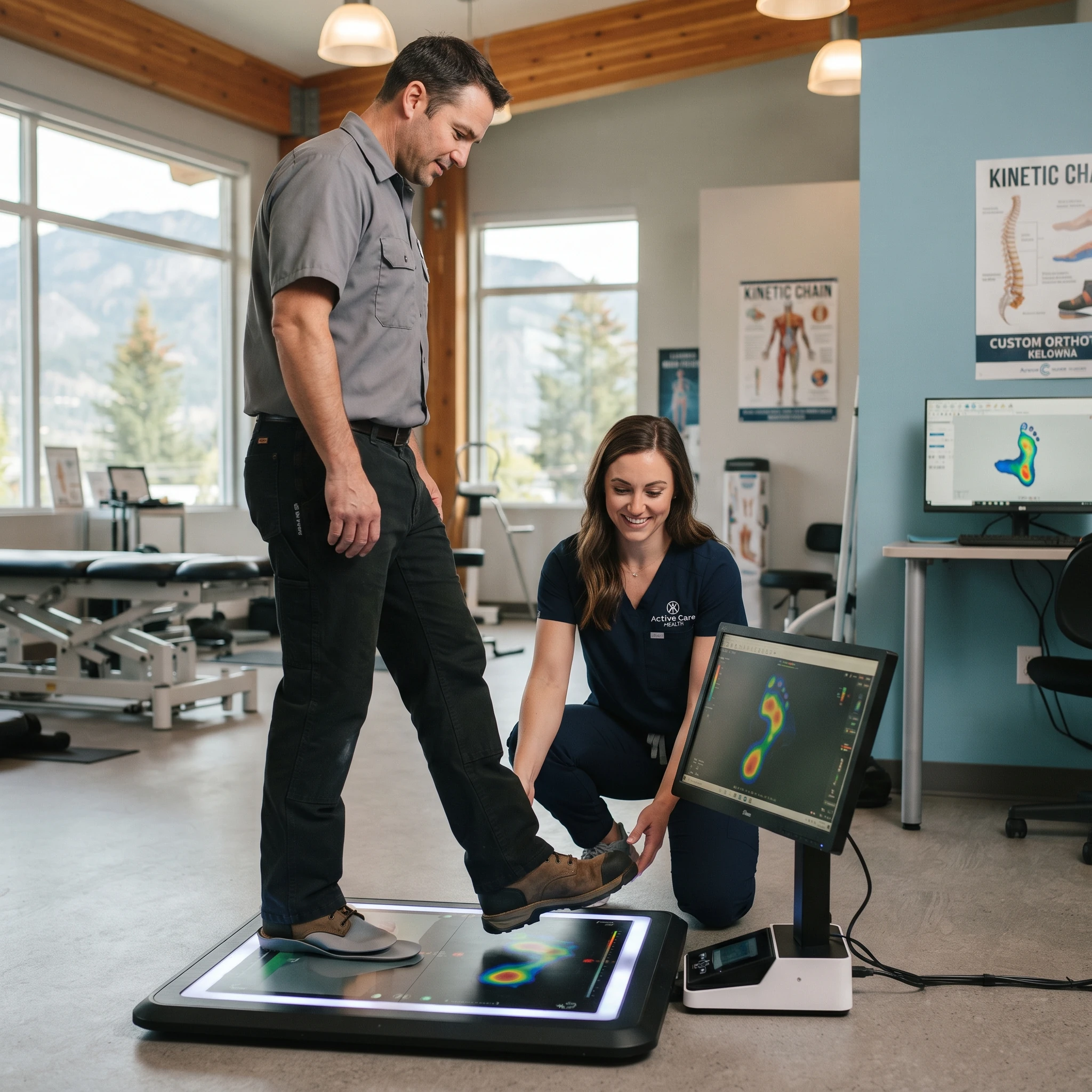
Biomechanical analysis is the systematic evaluation of how interconnected skeletal segments and muscular groups coordinate movement during physical exertion. Clinicians examine gait patterns, spinal flexion, and load bearing mechanics to isolate compensatory movement strategies. When one regional segment exhibits restricted mobility, adjacent joints absorb excessive mechanical forces, leading to accelerated tissue degradation and chronic pain. Identifying these primary sites of dysfunction allows practitioners to formulate targeted interventions that address root causes rather than isolated symptoms.
Orthopedic and Neurological Diagnostic Testing
Orthopedic and neurological diagnostic testing comprises standardized physical maneuvers used to stress specific anatomical structures and provoke or alleviate symptoms. These tests evaluate ligamentous stability, disc integrity, nerve root compression, and muscle strength grading. Documenting positive or negative findings ensures that the therapeutic approach remains clinically indicated and safe for each individual patient profile. Active Care Health adheres to strict diagnostic criteria to differentiate between radicular pain patterns and localized musculoskeletal strain.
Common Indicators for Clinical Evaluation
Recognizing the physiological warning signs of cumulative structural strain is essential for preventing long term joint pathology and chronic disability. Workers should monitor their physical condition for specific clinical markers that indicate the necessity of professional intervention.
- Persistent localized pain that does not resolve with standard rest and over-the-counter anti-inflammatory agents.
- Decreased range of motion in the cervical, thoracic, or lumbar spine interfering with daily occupational tasks.
- Radiating numbness, tingling, or weakness traveling down the upper or lower extremities.
- Observable postural asymmetries, including uneven shoulder heights or pelvic tilts.
- Mechanical clicking, grinding, or locking sensations within peripheral joints during movement.
- Recurrent muscle spasms or hypertonicity localized to specific spinal quadrants.
Therapeutic Interventions and Management Planning
Therapeutic intervention strategies encompass manual therapies, rehabilitative exercises, and patient education protocols administered to restore normal joint kinematics. Following the diagnostic phase, the attending clinician develops a structured management plan tailored to the physiological demands of the patient’s occupation.
Manual Therapy and Joint Manipulation
Manual therapy refers to skilled, hands-on techniques applied by clinicians to mobilize restricted joints and soft tissues. High-velocity, low-amplitude chiropractic adjustments introduce precise kinetic energy to specific vertebral segments to disrupt adhesions and improve segmental motion. This mechanical input stimulates mechanoreceptors, which inhibits nociceptive signal transmission and reduces hypertonicity in surrounding musculature. Clinical research demonstrates that targeted manual adjustments improve joint arthrokinematics and decrease localized inflammation.
Soft Tissue Release and Rehabilitative Exercise
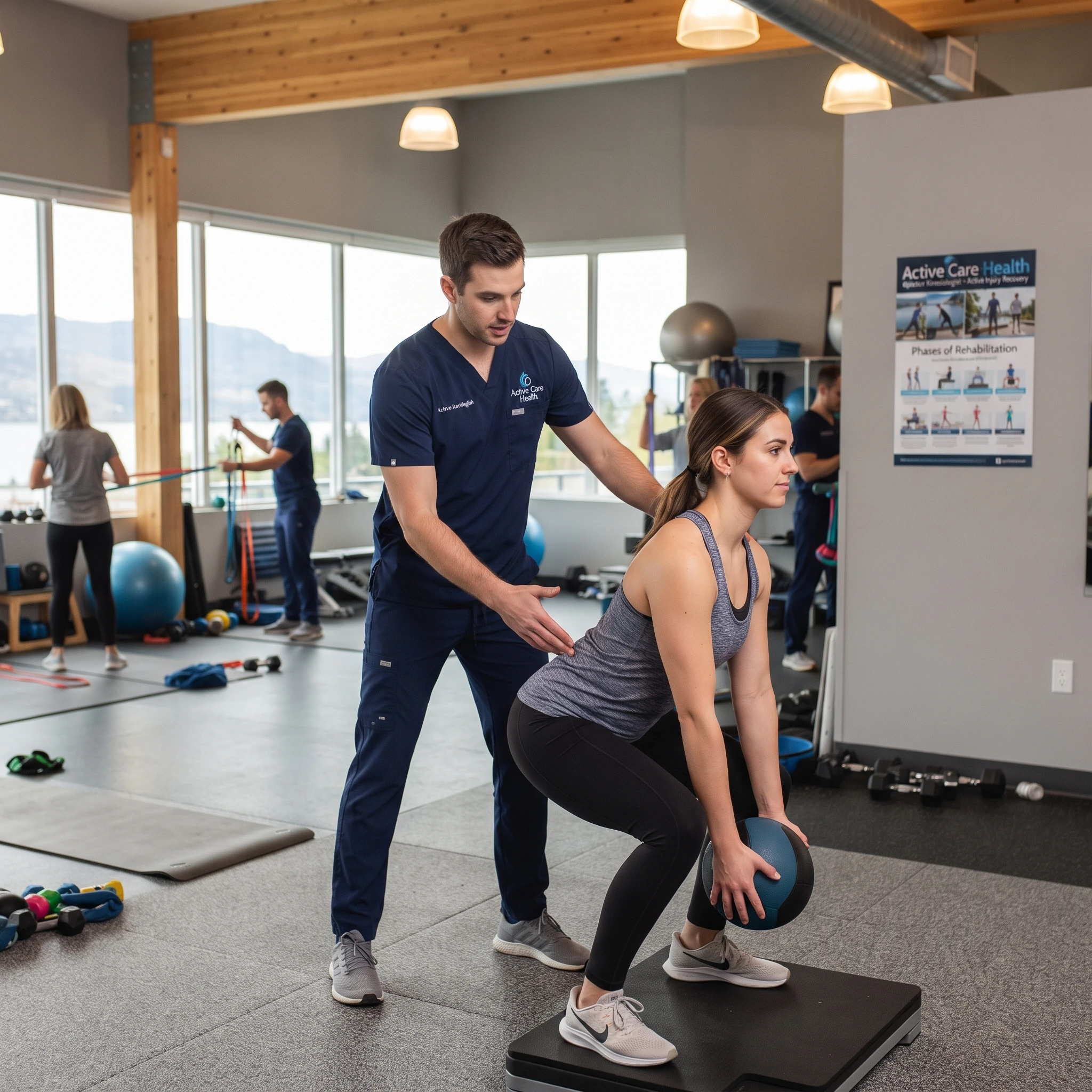
Soft tissue release techniques involve targeted compression and longitudinal stretching applied to myofascial structures to reduce fibrosis and restore tissue elasticity. Concurrently, rehabilitative exercise programs focus on stabilizing core musculature, strengthening weak postural stabilizers, and correcting neuromuscular imbalances. Patients receive specific ergonomic instructions regarding lifting mechanics and workspace modifications to minimize future occupational strain. Active Care Health integrates these active care protocols to ensure long term functional independence and injury prevention.
Frequently Asked Questions
Is chiropractic care safe for patients with severe occupational back strain?
Clinical safety is established through a rigorous initial screening process that includes detailed case histories and orthopedic testing. Practitioners screen for contraindications such as fractures, severe osteoporosis, or inflammatory arthropathies prior to administering any manual therapy. When performed by a licensed professional, treatment protocols are modified to match the specific physical tolerance and clinical presentation of the patient.
What causes the popping or cracking sound during a spinal adjustment?
The audible sound heard during a joint manipulation is known clinically as a cavitation. This acoustic phenomenon occurs due to a rapid pressure drop within the synovial fluid of the joint capsule, causing dissolved gases to form microscopic bubbles and quickly release. The process is similar to opening a carbonated beverage and does not involve bones grinding against each other.
How many visits are typically required to resolve chronic joint pain?
The total number of clinical visits varies significantly depending on the chronicity of the condition, tissue damage severity, and individual healing rates. Acute strains resulting from sudden mechanical overload often resolve within a short series of treatments, whereas chronic degenerative changes require extended rehabilitation programs. Following the initial examination, the clinician provides an estimated timeline outlining expected milestones and functional recovery goals