Key Takeaway: Active injury recovery utilizes structured physical movement to transition patients away from passive symptom management. By rebuilding core stability, correcting biomechanical errors, and systematically restoring strength, clinical rehabilitation protocols managed by a Kelowna Kinesiologist at Active Care Health enable individuals to safely resume demanding physical labor and prevent future musculoskeletal trauma.
Recovering from an occupational injury requires a clinical transition from passive symptom relief to active physical movement. When workers experience physical strain that limits their ability to perform daily labor, standard rest protocols often fail to address the underlying mechanical dysfunctions that caused the injury. Working with a Kelowna Kinesiologist helps individuals rebuild core stability, correct improper movement habits, and restore physical strength. This comprehensive approach is essential for returning to heavy occupational tasks without the constant threat of re-injury. Clinical practice at Active Care Health focuses on bridging the gap between basic medical treatment and the high physical demands of modern manual labor.
The Biomechanics of Occupational Strain
Occupational strain occurs when physical loads exceed the adaptive capacity of muscles, tendons, ligaments, and joints. Understanding the biomechanical foundations of movement helps workers identify the root causes of workplace injuries and implement effective strategies for long-term recovery.
Defining Musculoskeletal Strain and Load Tolerances
Musculoskeletal strain is defined as the physiological micro-trauma and acute damage inflicted upon soft tissues when mechanical stress surpasses the current tissue tolerance threshold. In industrial environments, repetitive lifting, awkward postures, and sustained force generation place immense pressure on the spinal column and extremity joints. Tissue tolerance is not a static metric; it fluctuates based on systemic inflammation, nutritional status, sleep quality, and previous injury history. When workers operate outside their physiological load tolerances, progressive tissue degradation occurs, leading to chronic pain and diminished functional capacity.
The Limitations of Passive Care Interventions
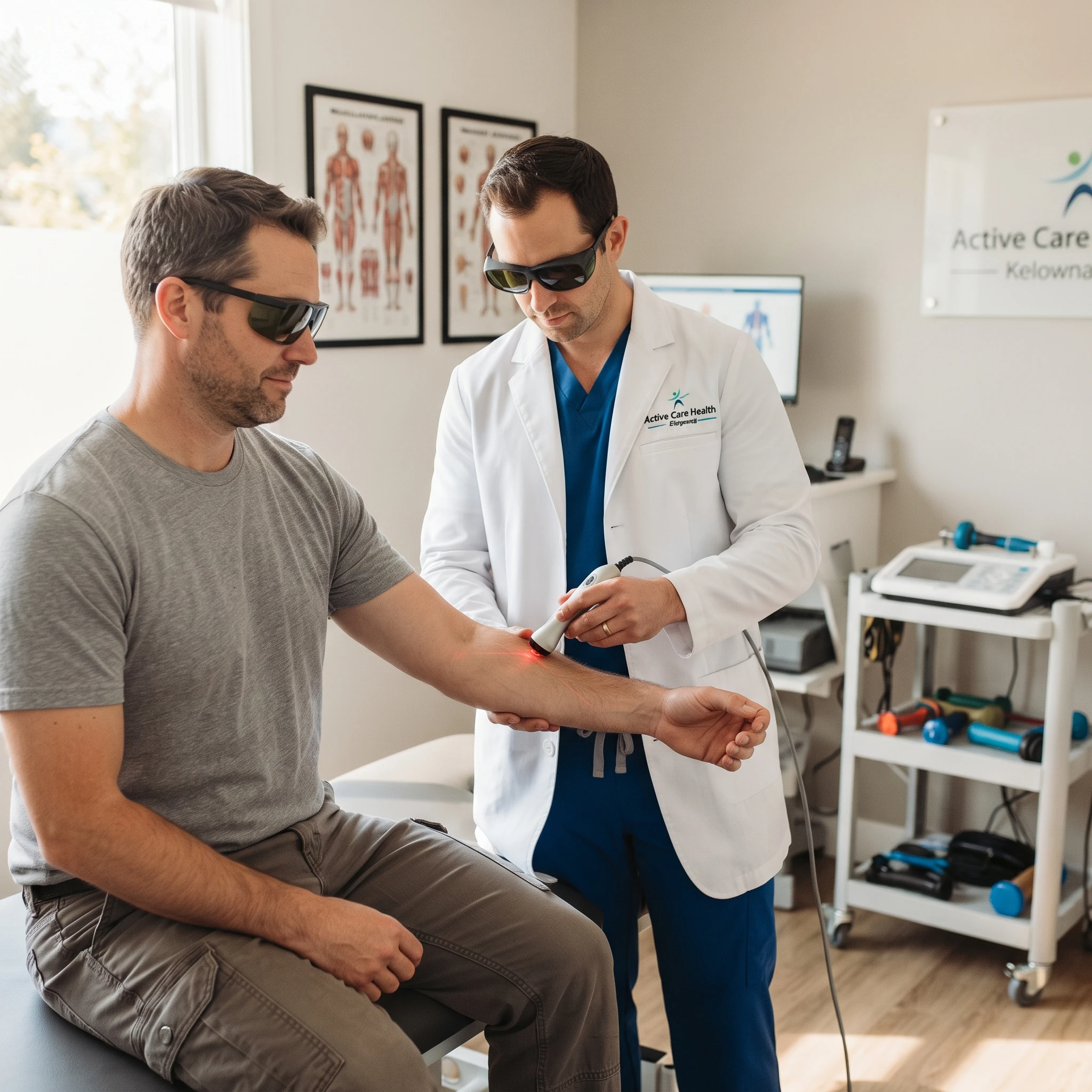
Passive care modalities include interventions such as thermal therapy, electrical stimulation, manual massage, and joint manipulation administered entirely by a practitioner without active patient exertion. While passive treatments are effective for acute pain modulation and immediate muscle relaxation, they do not induce lasting structural adaptations within connective tissues. Tendons and ligaments remodel in direct response to mechanical tension and progressive load bearing. Relying solely on passive modalities fosters a passive mindset, leaving the patient vulnerable to recurring injury the moment they resume unassisted physical labor.
The Transition to Active Kinesiology Rehabilitation
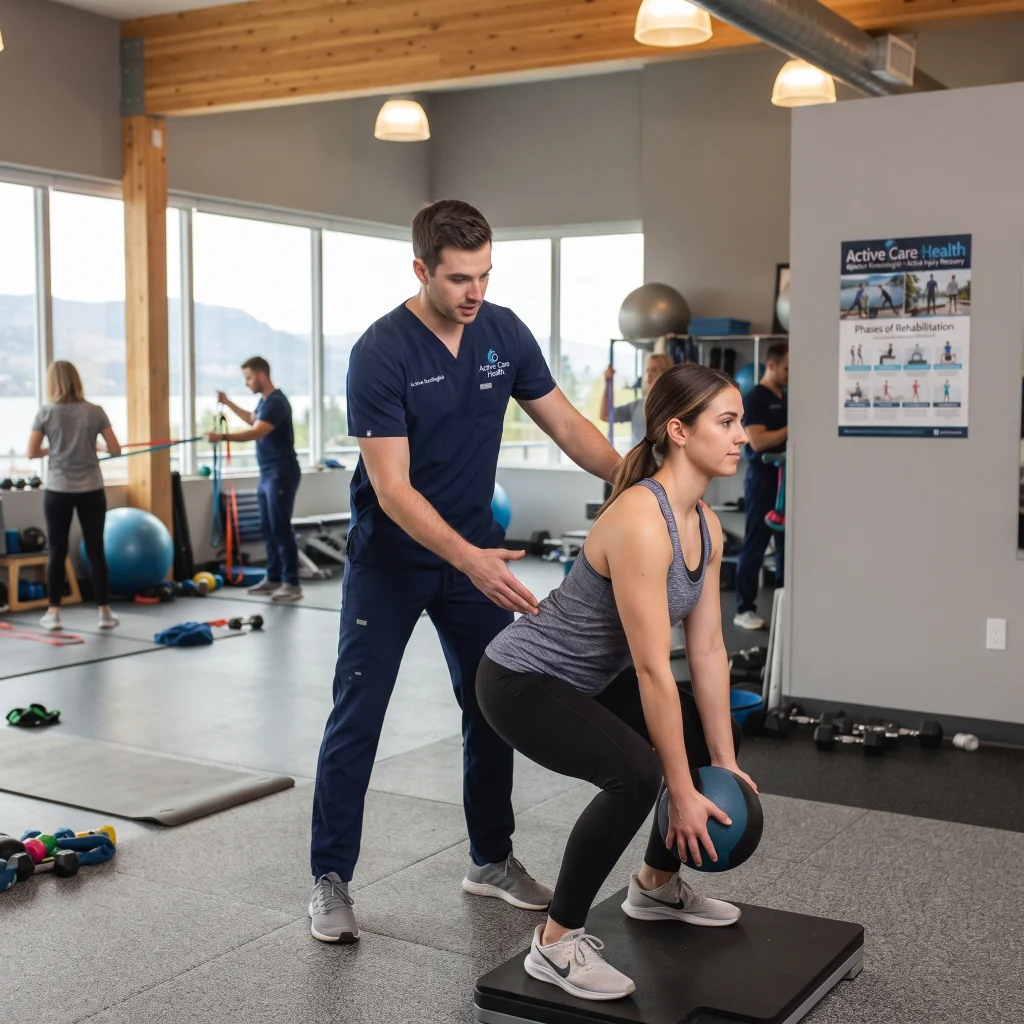
Active kinesiology rehabilitation is defined as the systematic prescription of targeted exercises designed to induce physiological adaptations in damaged or weakened musculoskeletal structures. This transition shifts the locus of control from the clinician to the patient, emphasizing functional independence and muscular resilience. Through controlled movement exposures, clinicians stimulate collagen synthesis in tendons, increase cross-sectional muscle area, and enhance neuromuscular coordination. Active rehabilitation ensures that the physical body adapts structurally to meet the exact mechanical demands of occupational work environments.
The Step-by-Step Phases of an Active Kinesiology Rehabilitation Program
A structured rehabilitation program follows a logical progression from acute symptom stabilization to advanced work-specific conditioning. Each phase builds upon the previous one to ensure safe tissue remodeling and functional restoration.
| Phase | Primary Objective | Physiological Focus | Clinical Methods |
| Phase 1: Acute Stabilization | Pain reduction and baseline neuromuscular control | Minimizing inflammation and preventing disuse atrophy | Isometric contractions and postural awareness training |
| Phase 2: Mobility and Flexibility | Restoring pain-free joint range of motion | Lengthening shortened myofascial tissues | Dynamic stretching and joint articulation exercises |
| Phase 3: Strength and Hypertrophy | Rebuilding muscular force production capacity | Stimulating muscle protein synthesis and tendon stiffness | Progressive resistance training and compound lifts |
| Phase 4: Neuromuscular Re-education | Optimizing motor unit recruitment patterns | Enhancing proprioception and intermuscular coordination | Balance perturbations and closed-chain movements |
| Phase 5: Work-Specific Conditioning | Simulating occupational physical demands | Improving local muscular endurance and cardiovascular output | Task-specific lifting simulations and metabolic conditioning |
- Phase One – Acute Stabilization and Pain Management: The initial phase focuses on reducing nociceptive signaling while preventing severe muscle atrophy associated with forced rest. Practitioners employ low-intensity isometric contractions to maintain neuromuscular pathways without aggravating inflamed soft tissues.
- Phase Two – Joint Mobility and Myofascial Release: This stage restores normal arthrokinematics to restricted joints and addresses soft tissue adhesions through targeted mobility drills and self-myofascial techniques. Adequate range of motion is a prerequisite for proper load distribution during lifting tasks.
- Phase Three – Progressive Resistance and Strength Development: Patients engage in structured resistance training designed to systematically overload target muscle groups. Progressive overload forces collagen fibers in tendons to align parallel to the lines of stress, enhancing tensile strength and load capacity.
- Phase Four – Neuromuscular Control and Proprioceptive Training: Complex movement patterns require precise timing between agonist and antagonist muscle groups. Proprioceptive drills challenge the central nervous system to stabilize joints dynamically under unstable or unpredictable conditions.
- Phase Five – Functional Work Simulation: The final phase bridges the gap between clinical recovery and the workplace by replicating the exact lifting mechanics, twisting motions, and endurance requirements demanded by the patient’s specific occupation.
Daily Exercises to Improve Movement Patterns at Home
Integrating targeted movement practices into a daily routine reinforces the biomechanical adaptations achieved during clinical rehabilitation sessions. Performing these exercises consistently helps workers maintain optimal posture and movement efficiency outside of formal clinical hours.
- The Cat-Cow Spinal Mobilization: Begin on hands and knees with wrists aligned beneath shoulders and knees beneath hips. Inhale while dropping the abdomen toward the floor and extending the cervical spine upward into extension. Exhale while drawing the abdominal wall inward and flexing the thoracic and lumbar spine toward the ceiling. Perform three sets of ten repetitions to restore segmental spinal mobility.
- The Dead Bug Core Stabilization: Lie supine on a flat surface with arms extended vertically toward the ceiling and hips and knees flexed to ninety degrees. Press the lumbar spine firmly into the floor to engage the transverse abdominis. Slowly lower the right arm and left leg simultaneously toward the floor without losing contact between the lower back and the ground. Return to the starting position and alternate sides for three sets of eight repetitions per limb.
- The Gluteal Bridge Activation: Lie supine with knees bent and feet flat on the floor hip-width apart. Drive through the heels and contract the gluteal muscles to lift the hips upward until the thighs and torso align in a straight line. Hold the top position for two seconds while maintaining a neutral pelvic tilt before lowering the hips slowly. Complete three sets of twelve repetitions to counteract hip flexor tightness.
- The Prone Cobra Postural Extension: Lie face down on the floor with arms resting alongside the torso and palms facing downward. Engage the posterior chain by lifting the chest, hands, and head slightly off the floor while retracting the scapulae toward the spine. Hold the contracted position for five seconds before returning to the resting position. Execute three sets of ten repetitions to strengthen thoracic extensors.
- The Tibial Hinge Squat Pattern: Stand with feet shoulder-width apart and toes pointed slightly outward. Initiate the movement by pushing the hips backward while bending the knees, keeping the weight centered over the mid-foot and the chest elevated. Lower the body until the thighs are parallel to the floor, then drive upward through the lower extremities. Perform three sets of ten repetitions to reinforce proper lifting mechanics.
Frequently Asked Questions About Kinesiology and Physical Rehabilitation
How does a kinesiologist differ from a personal trainer?
A kinesiologist is a university-educated allied health professional specializing in the mechanics of human movement, functional anatomy, and exercise prescription for clinical populations, injury recovery, and chronic disease management. A personal trainer typically holds a certification focused on general fitness, weight loss, and athletic conditioning for healthy individuals. Kinesiologies are uniquely qualified to work with complex musculoskeletal pathologies and post-injury rehabilitation protocols.
Is a physician referral required to book an appointment?
A physician referral is not required to schedule an initial evaluation and active rehabilitation program. Individuals can contact clinics directly to begin their recovery process. Practitioners often collaborate closely with primary care physicians and other medical specialists to ensure a cohesive and comprehensive healthcare strategy for the patient.
What should an individual expect during an initial assessment?
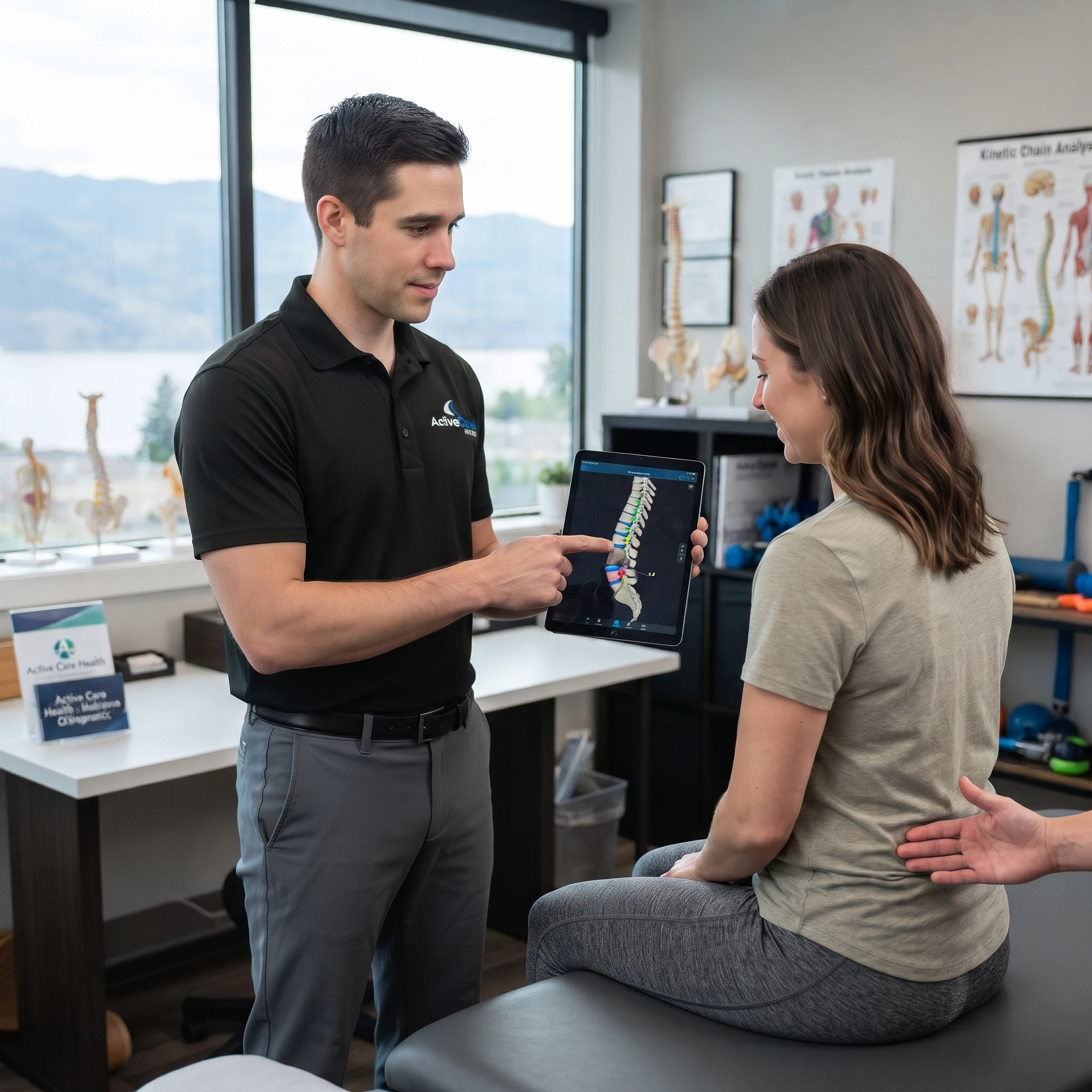
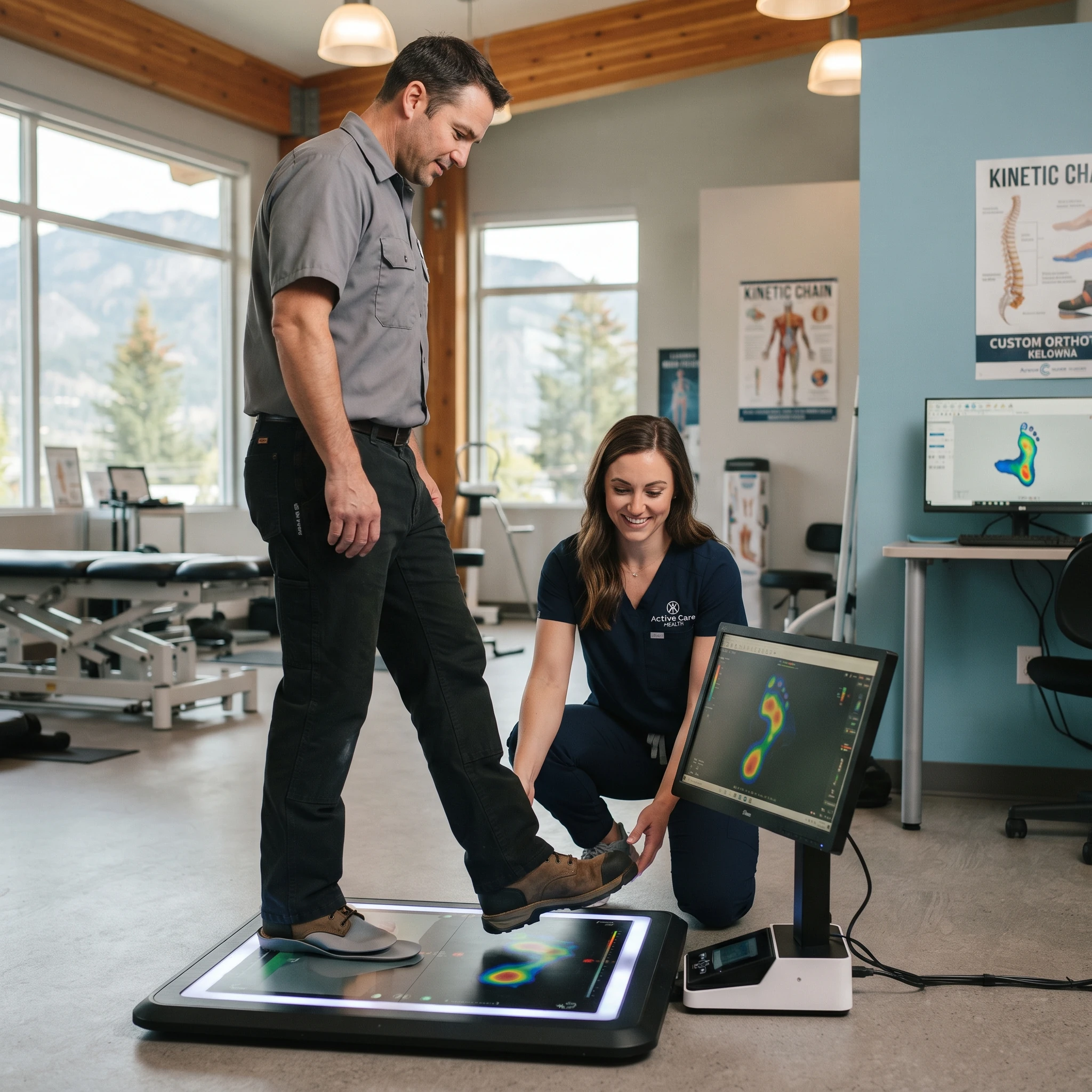
An initial assessment involves a comprehensive review of medical history, current symptom presentation, and occupational physical demands. The practitioner conducts structural screenings, range of motion measurements, and functional movement screens to identify biomechanical deficits. Based on these findings, a customized active rehabilitation program is formulated to address the specific functional goals of the worker.
How long does an active kinesiology rehabilitation program take?
The duration of a rehabilitation program varies based on the severity of the initial injury, the tissue type involved, and the physical demands of the patient’s occupation. Mild soft tissue strains may require four to six weeks of guided intervention, whereas complex or chronic injuries can necessitate several months of progressive loading. Consistency in performing prescribed home exercises significantly influences overall recovery timelines.
Can active rehabilitation prevent future workplace injuries?
Active rehabilitation mitigates future injury risk by correcting movement dysfunctions, eliminating muscular imbalances, and increasing the structural tolerance of soft tissues. Workers learn proper biomechanical strategies for lifting, pushing, and pulling heavy loads. This educational and physiological conditioning ensures that the musculoskeletal system withstands high occupational demands safely over the long term.