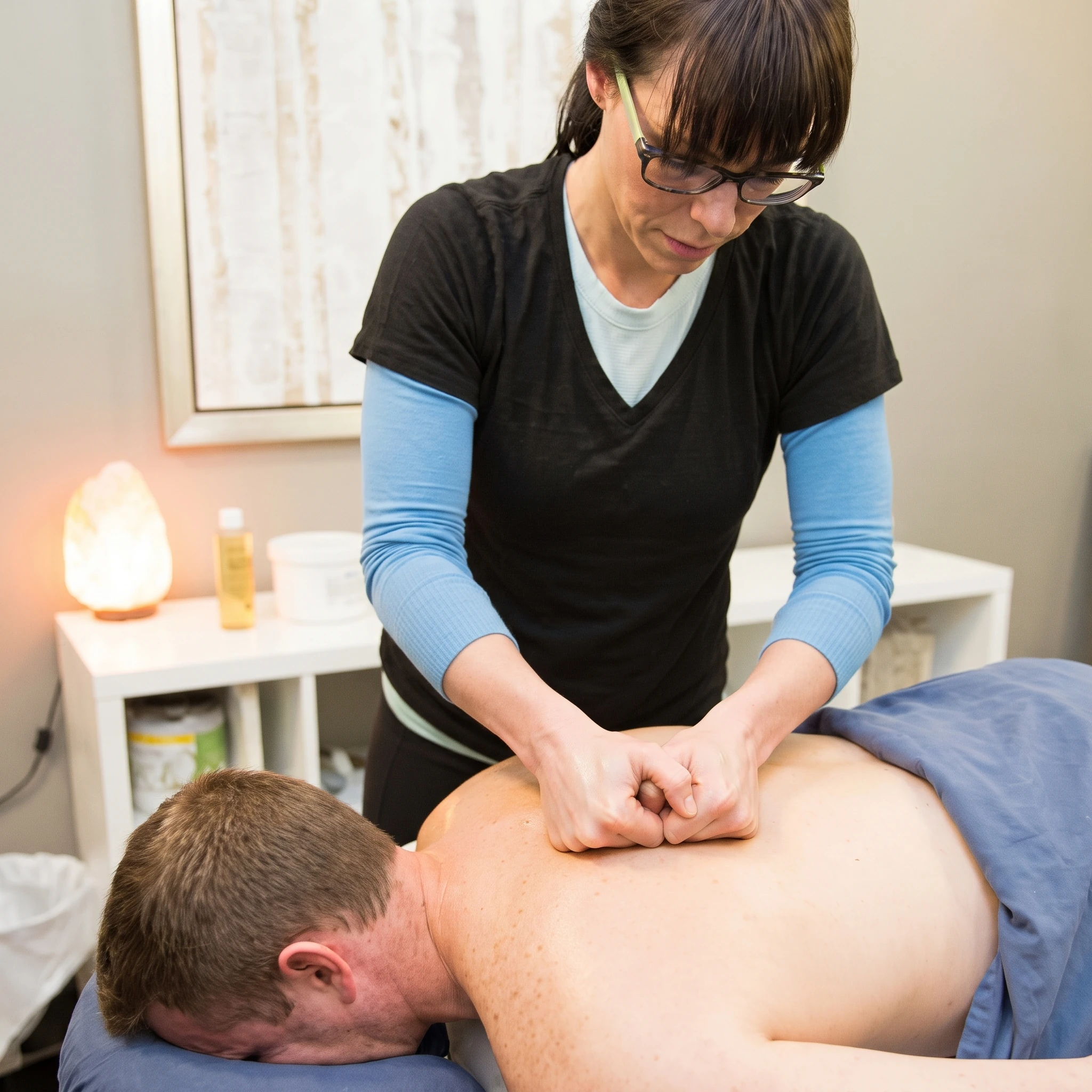
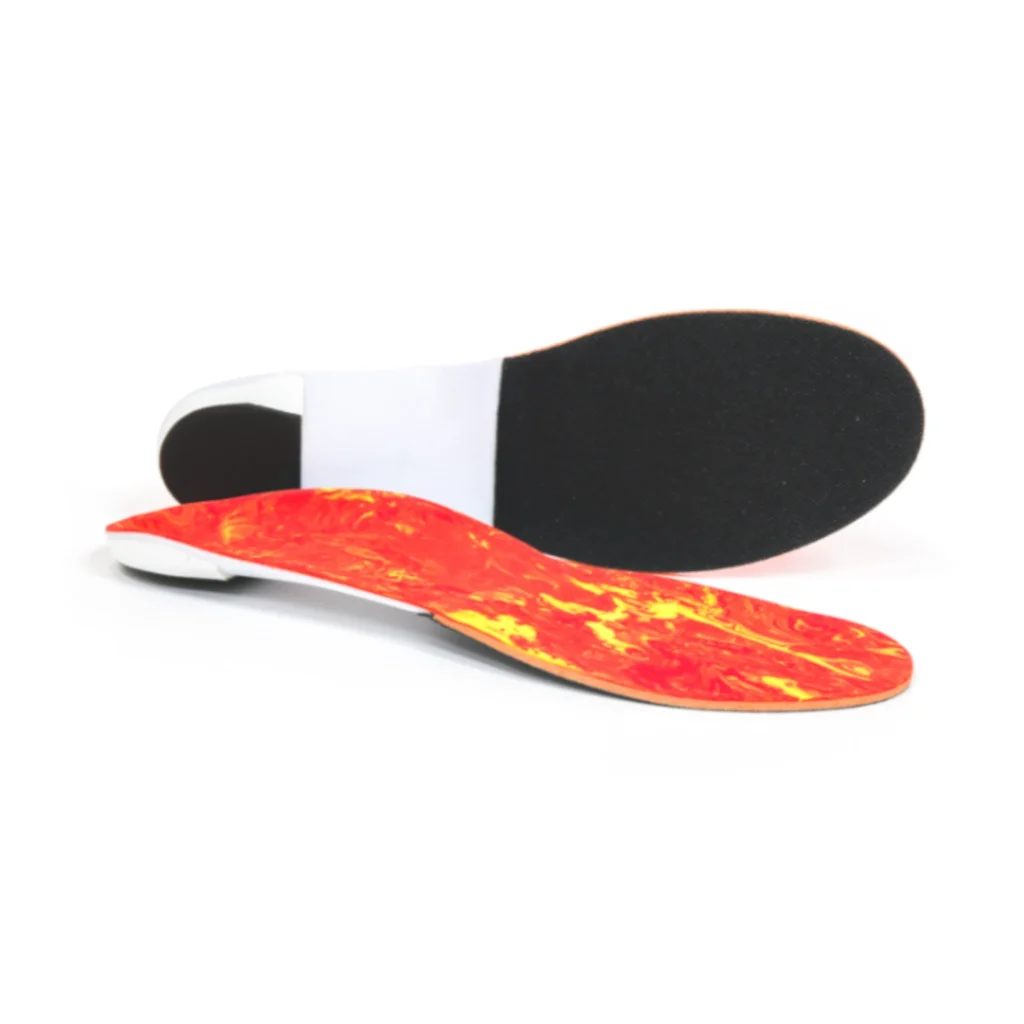
Lower back and joint pain often originate from structural foot misalignments that disrupt normal gait mechanics. Custom Orthotics Kelowna are specialized medical devices engineered to correct abnormal foot pronation, distribute body weight evenly, and stabilize the kinetic chain. By providing precise foundational support, these devices reduce stress on knees, hips, and spine to alleviate chronic pain.
Biomechanical Mechanics of the Human Foot
The human foot contains twenty-six bones, thirty-three joints, and more than one hundred muscles, tendons, and ligaments working together to support static posture and dynamic locomotion. The foot serves as the primary shock absorber for the skeletal system. When the arches of the foot fail to maintain structural integrity, the entire musculoskeletal system undergoes compensatory physical stress.
I have observed throughout my clinical practice at Active Care Health in Kelowna, British Columbia, how repetitive physical activity alters joint positioning. Orchard workers, for example, spend long hours walking on uneven terrain, climbing ladders, and carrying heavy loads. These operational demands accelerate foot fatigue and compound minor mechanical defects into major physical limitations.
+-------------------------------------------------------------------------------+
|                       FOUNDATIONAL MISALIGNMENT PROCESS                       |
|                                                                               |
|   [ Excessive Foot Pronation / Collapse of the Medial Longitudinal Arch ]     |
|                                      │                                        |
|                                      ▼                                        |
|        [ Internal Tibial and Femoral Rotation (Lower Leg and Thigh) ]         |
|                                      │                                        |
|                                      ▼                                        |
|            [ Anterior Pelvic Tilt and Sacroiliac Joint Dysfunction ]          |
|                                      │                                        |
|                                      ▼                                        |
|         [ Compensatory Lumbar Lordosis and Chronic Spinal Strain ]            |
+-------------------------------------------------------------------------------+
Understanding the Kinetic Chain Domino Effect
The kinetic chain concept describes how human joints and segments transfer forces during movement. An abnormality at the base point alters stress distribution across all upper segments.
Impact on Knee Mechanics
Knee joints operate primarily as hinge mechanisms designed for flexion and extension. When a foot collapses inward – a condition known as overpronation – the tibia (shinbone) rotates internally.
· Internal rotation causes abnormal tracking of the patella within the femoral groove.
· Force distribution shifts to the medial compartment of the knee joint.
· Soft tissue structures like the iliotibial band experience increased tensile strain.
Strain on Hip and Pelvic Alignment
The hip joint functions as a ball and socket mechanism connecting the lower extremity to the pelvis. Abnormal foot mechanics force the femur (thighbone) to rotate inward along with the lower leg.
· Inward rotation forces the pelvis to tilt forward, known as anterior pelvic tilt.
· Pelvic tilting alters the length-tension relationship of the gluteal and hip flexor muscles.
· The sacroiliac joints experience asymmetrical torque during every step.
Compensatory Lumbar Spine Stress
The lumbar spine relies directly on pelvic stability to maintain neutral alignment. When anterior pelvic tilt occurs, the lower back exaggerates its natural inward curve.
· Increased curvature places compression forces on the posterior facet joints.
· Intervertebral discs experience uneven pressure distributions.
· Paraspinal muscles remain in a continuous state of contraction to stabilize the trunk, generating muscular exhaustion.
The Role of Custom Orthotics Kelowna in Restoring Balance
Custom Orthotics Kelowna are custom-molded shoe inserts built from three-dimensional impressions of an individual’s feet. Unlike generic retail insoles, clinical orthotics address specific structural deficits and gait abnormalities.
|
Feature |
Generic Retail Insoles |
Custom Orthotics Kelowna |
|
Manufacturing Basis |
Mass-produced standard sizes |
3D dynamic scans |
|
Arch Support Type |
Flexible foam or soft cushion |
Dynamic rigid or semi-rigid structural correction |
|
Gait Correction |
None (provides localized comfort only) |
Controls pronation velocity and gait mechanics |
|
Durability |
3 to 6 months |
3 to 5 years depending on usage |
|
Targeted Biomechanics |
General surface cushioning |
Individualized correction of kinetic chain errors |
Core Mechanisms of Structural Correction
1. Arch Stabilization: Supports the medial longitudinal arch to prevent foot collapse under heavy loads.
2. Calcaneal Alignment: Realigns the heel bone to establish a neutral hindfoot baseline.
3. Weight Redistribution: Spreads plantar pressure across the entire surface area of the sole.
4. Proprioceptive Feedback: Stimulates foot mechanoreceptors to improve neuromuscular posture control.
Clinical Assessment and Implementation at Active Care Health
Restoring structural alignment requires thorough biomechanical evaluations. The team at Active Care Health in Kelowna follows systematic protocols to design functional orthotic interventions.
1. Static Postural Screening: Evaluation of pelvic height, knee alignment, and foot arch height while standing.
2. Dynamic Gait Analysis: Computerized analysis of force distribution during walking cycles.
3. 3D Impression Capture: Digital laser scanning to capture precise foot anatomy in a corrected neutral position.
4. Precision Fabrication: Constructing custom inserts using durable medical polymers tailored to patient weight and occupation.
5. Fitting and Integration: Calibrating the orthotic inserts into occupational footwear to ensure proper joint tracking.
Frequently Asked Questions
How do custom orthotics differ from over-the-counter arch supports?
Over-the-counter arch supports offer generalized cushioning using soft, non-durable materials. Custom orthotics are prescription medical devices built from exact 3D models of your feet to correct functional gait misalignments.
Can foot misalignments cause chronic lower back pain?
Yes. Foot misalignments such as overpronation cause internal leg rotation, which tilts the pelvis forward. This pelvic tilt increases lumbar lordosis, putting excessive compression on lumbar joints and back muscles.
How long does it take to adapt to new custom orthotics?
Most individuals adapt to custom orthotics within two to three weeks. Patients should gradually increase wear time each day to allow foot muscles and spinal joints to adjust to corrected posture patterns.
How do custom orthotics help workers standing on hard surfaces?
Custom orthotics distribute body weight evenly across the entire surface of the foot. This reduces localized shock forces, minimizes tissue inflammation, and stabilizes leg joints during long periods of standing or walking on hard ground.
What signs indicate a need for Custom Orthotics Kelowna?
Signs include uneven wear patterns on shoe soles, chronic heel or arch pain, recurrent knee aches, hip stiffness after prolonged standing, and lower back discomfort that worsens during physical activity.