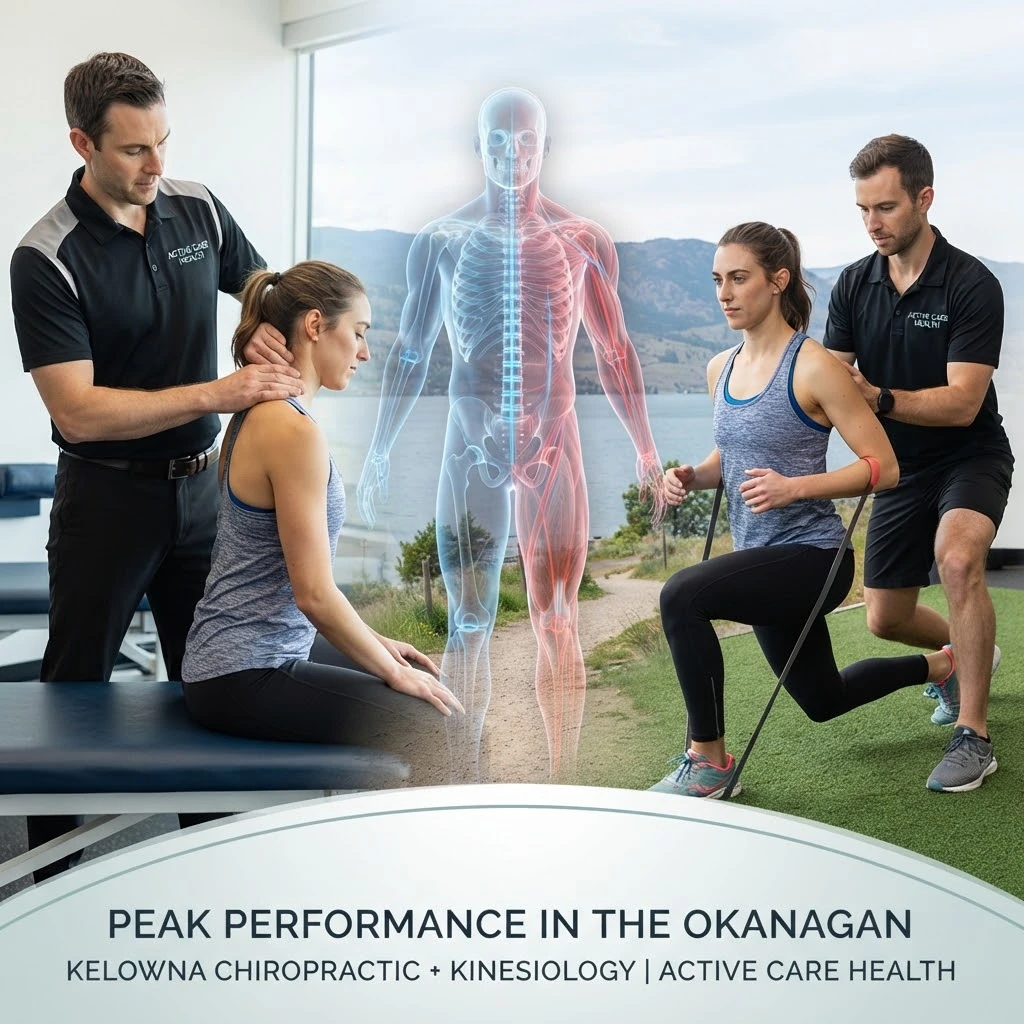
Living in the Okanagan Valley offers a unique lifestyle filled with world – class skiing, mountain biking, and water sports. However, maintaining such an active pace requires a body that is functioning at its absolute peak. When injuries occur or chronic stiffness sets in, many individuals find that traditional, single – modality treatments fall short of providing a permanent solution. This is where the concept of integrated care becomes essential. By working with a Registered Massage Therapist in Kelowna residents can trust, alongside a skilled chiropractor, you can address the physical body as a complete, interconnected system.
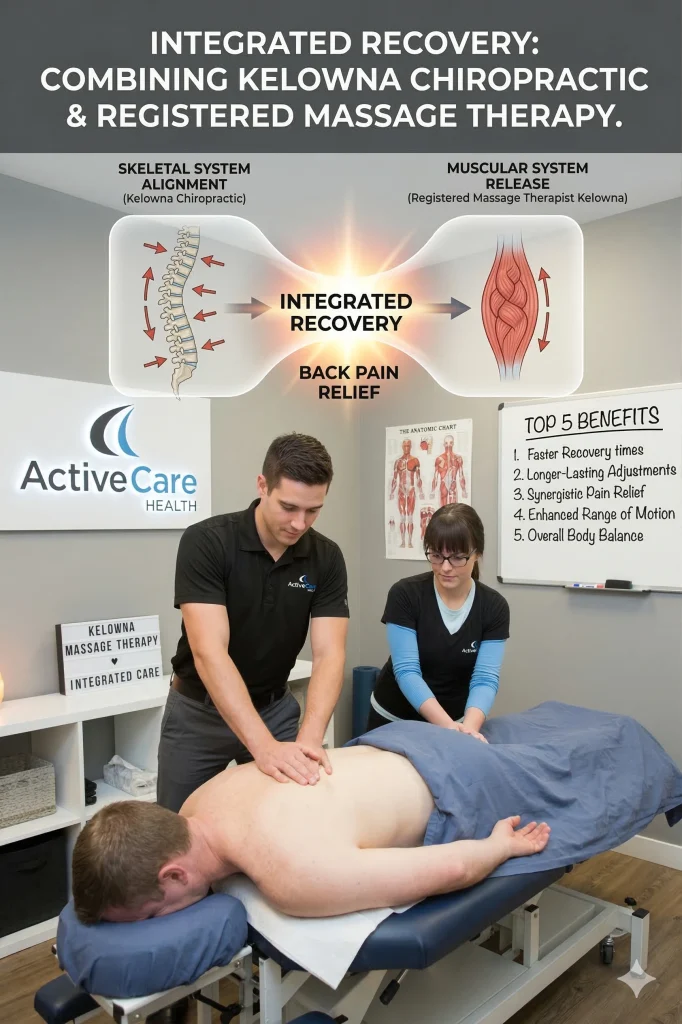
Integrated recovery is the strategic combination of skeletal alignment and soft tissue therapy. It recognizes that the bones and muscles do not function in isolation. Instead, they exist in a constant state of mechanical interaction. If you have been searching for long – term back pain relief or a way to accelerate your recovery from a sports injury, understanding how Kelowna Chiropractic adjustments and Kelowna Massage Therapy work together is the first step toward lasting health.
The Biological Tug of War: Bones Versus Muscles
To understand why integrated recovery is so effective, one must first understand the relationship between the skeletal system and the muscular system. You can think of your skeleton as the structural frame of a house and your muscles as the cables and pulleys that allow the house to move and remain stable.
If the structural frame (the skeleton) is tilted or misaligned, the cables (the muscles) must pull harder on one side to keep the structure from collapsing. Over time, these muscles become overworked, tight, and painful. Conversely, if a cable is pulled too tight due to stress or repetitive strain, it will eventually pull the structural frame out of its proper alignment.
This creates a “tug of war” within your body. If you only treat the bones, the tight muscles will eventually pull them back out of place. If you only treat the muscles, the misaligned joints will continue to cause the muscles to tighten up in a protective reflex. Integrated recovery ends this cycle by addressing both sides of the equation simultaneously.
The Role of Kelowna Chiropractic: Restoring Structural Integrity
The primary focus of Kelowna Chiropractic care is the relationship between the structure of the spine and the function of the nervous system. The spine protects the spinal cord, which is the main pathway for communication between the brain and every other part of the body.
When a vertebra becomes misaligned it can create interference in this communication pathway. This does not just cause local pain; it can lead to decreased mobility, muscle weakness, and a general decline in physical performance. A chiropractic adjustment uses a precise, controlled force to restore proper motion to the joint and remove nerve interference. This allows the body to function as it was designed.
The Role of Kelowna Massage Therapy: Optimizing Soft Tissue
While the chiropractor focuses on the joints and nerves, a Registered Massage Therapist utilizes clinical techniques to address the soft tissues. This includes the muscles, tendons, ligaments, and the fascia that surrounds them.
Chronic pain and injuries often lead to the development of scar tissue and adhesions. These are areas where muscle fibers have become “stuck” together, limiting blood flow and restricting movement. Kelowna Massage Therapy works to break down these adhesions, reduce inflammation, and improve circulation. By doing so, the therapist ensures that the muscles are pliable and capable of supporting the skeletal changes made by the chiropractor.
Top 5 Benefits of a Combined Treatment Plan
When you integrate these two powerful therapies into a single recovery plan, the benefits are compounded. Below are the top five reasons why this approach is considered the gold standard for musculoskeletal health.
1. Faster Recovery Times
Addressing the bone and the muscle at the same time prevents one system from hindering the progress of the other. For acute injuries like whiplash or a lower back strain, this “full – body” approach can reduce total healing time by weeks.
2. Longer – Lasting Adjustments
One of the most common complaints in chiropractic care is that an adjustment “does not hold.” This often occurs because the surrounding muscles are so tight that they pull the bone back into its old, dysfunctional position. Massage relaxes these muscles, allowing the adjustment to stay in place for a much longer duration.
3. Synergistic Pain Relief
Chiropractic adjustments are excellent for removing the sharp, shooting pain associated with nerve compression. Massage therapy is highly effective at soothing the dull, aching soreness of muscle fatigue. Together, they provide a comprehensive spectrum of pain management.
4. Enhanced Range of Motion
Optimal flexibility requires both a mobile joint and a long, stretchy muscle. By combining joint manipulations with myofascial release, patients often experience a level of mobility that they have not felt in years.
5. Preventative Health and Performance
Integrated care is not just for people in pain. Athletes often use this combination to ensure their bodies are perfectly balanced, which significantly reduces the risk of future “compensatory” injuries.
Conditions That Respond Best to Integrated Care
Many residents in the Okanagan seek out this dual approach for specific issues. Because integrated care covers both the skeletal and muscular bases, it is highly effective for the following conditions:
- Sciatica: Adjustments address the spinal source of the nerve pressure, while massage releases the gluteal and piriformis muscles that often compress the nerve further down the leg.
- Chronic Headaches: Tension headaches are frequently caused by a combination of neck vertebrae misalignments and tight upper trapezius muscles.
- Repetitive Strain Injuries: Conditions like carpal tunnel or tennis elbow require both joint mobilization and the release of forearm muscle tension.
- Whiplash: Recovery from motor vehicle accidents requires a careful balance of restoring neck mobility and calming severely traumatized soft tissues.
- Postural Imbalances: For those who spend long hours at a desk, the combination of therapy helps correct “tech neck” by realigning the spine and stretching the shortened chest muscles.
Comparison of Care Modalities
To help you understand how each professional contributes to your health, consider the following table:
| Phase | Treatment Focus | Typical Frequency | Primary Goal |
|---|---|---|---|
| Week 1: Acute Phase | Reduce inflammation and nerve pressure. | 2x Chiropractic, 1x Gentle Massage | To decrease immediate pain and stop muscle guarding. |
| Week 2: Sub – Acute Phase | Restore joint mobility and tissue length. | 1x Deep Tissue Massage, 1x Chiropractic | To break down scar tissue and realign joints in relaxed muscles. |
| Week 3: Stabilization Phase | Retrain the body to maintain alignment. | 1x Chiropractic, 1x Targeted Massage | To ensure adjustments hold and muscles support new posture. |
| Week 4: Wellness Phase | Long – term maintenance and prevention. | 1x Monthly Combined Session | To prevent small daily stresses from becoming major injuries. |
Conclusion
The path to a pain – free life in the Okanagan does not have to be a choice between one therapy or another. By embracing integrated care, you are choosing a more comprehensive, scientific, and efficient way to heal. Whether you are looking to get back on the ski hills or simply want to enjoy a walk along the waterfront without discomfort, the combination of Kelowna Chiropractic and Kelowna Massage Therapy provides the foundation you need for a healthy, active future.
Since you are focused on optimizing your recovery and long – term physical wellness, I can provide a monthly summary of new stretching techniques or ergonomic tips on the first Monday of every month to support your progress between clinic visits. Would you like me to schedule that?
Frequently Asked Questions (FAQ)
Should I book my massage or my chiropractic appointment first?
While it depends on your specific injury, most patients benefit from having their massage first. This warms up the muscles and makes the chiropractic adjustment much easier to perform. If the muscles are relaxed, the chiropractor does not have to work against your body’s natural “guarding” reflex.
Can I have both treatments on the same day?
Yes. Receiving both treatments on the same day is often referred to as “back – to – back” care. This is a highly efficient way to address your health, as it allows the body to be fully recalibrated in a single session.
Will I feel sore after an integrated treatment?
It is common to feel a mild “therapeutic soreness” for 24 to 48 hours after a session, similar to the feeling after a good workout. This is a sign that your body is adapting to its new, correct alignment and that your muscles are releasing stored tension.
Is this approach covered by insurance?
Most extended health care plans in British Columbia provide separate coverage for both Registered Massage Therapy Kelowna and chiropractic services. Many clinics in the area offer direct billing to make the process as simple as possible for you.