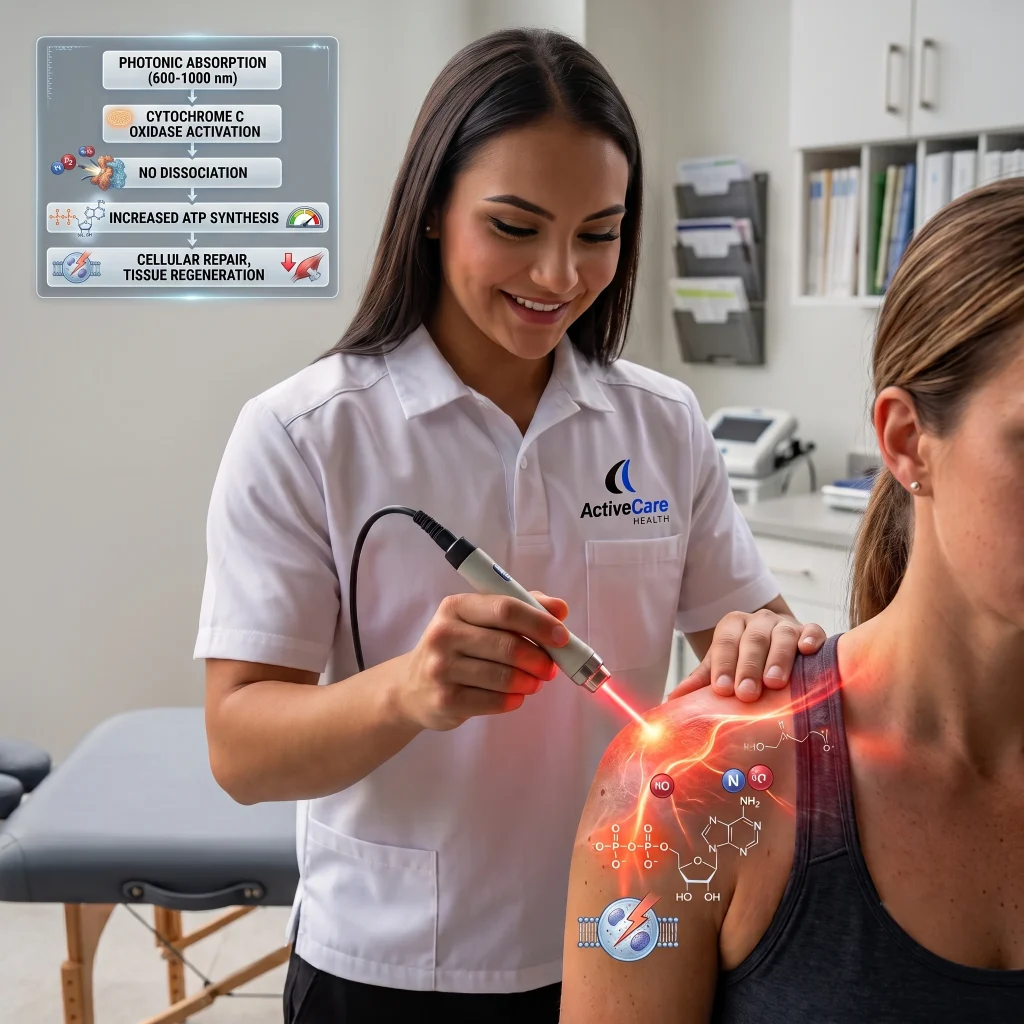
Key Takeaway: Cold laser therapy – also known as low-level laser therapy or photobiomodulation – utilizes non-thermal photons of light in the visible red and near-infrared spectrums (600 to 1000 nanometers) to penetrate soft tissue. This light stimulates mitochondrial cytochrome c oxidase, increasing adenosine triphosphate production, accelerating cellular repair, reducing oxidative stress, and mitigating chronic inflammatory responses.
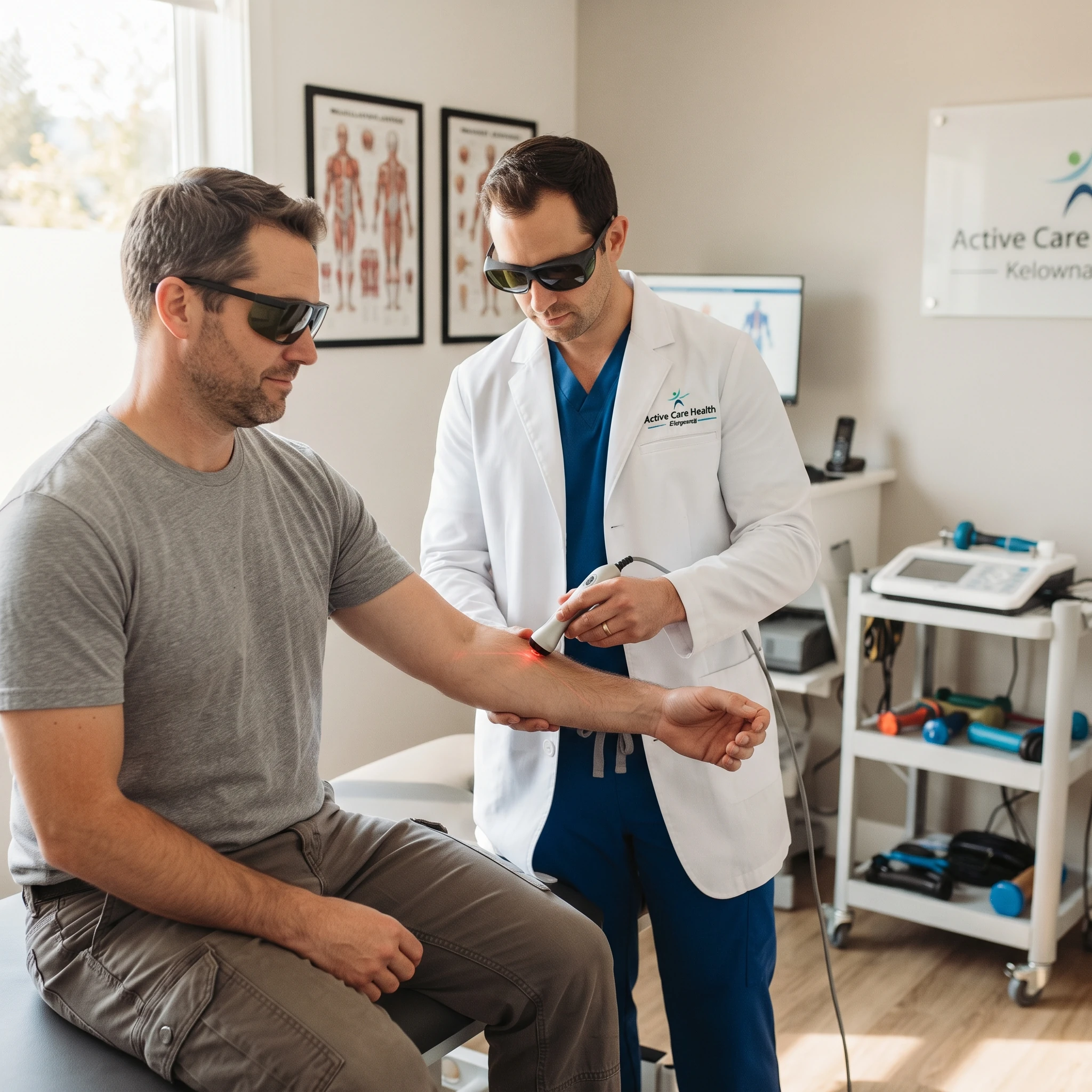
Chronic inflammation and soft tissue injuries can severely limit daily physical function and long-term mobility. Cold Laser Therapy Kelowna – clinically designated as low-level laser therapy (LLLT) or photobiomodulation (PBM) – represents a non-invasive, drug-free medical intervention designed to accelerate tissue regeneration and relieve musculoskeletal pain. Offered through clinical practices such as Active Care Health, this therapeutic modality utilizes specific wavelengths of light to interact with targeted cells without producing thermal damage to cutaneous or subcutaneous layers.
Understanding the clinical efficacy of a professional cold laser treatment in Kelowna requires an examination of cellular biology, optics, and human physiology. By directing precise quantities of photonic energy into injured tissues, practitioners trigger a cascade of biochemical events that restore homeostasis, suppress pro-inflammatory signaling, and enhance microcirculation. This educational guide details the quantitative mechanisms, mitochondrial interactions, and systemic responses that govern low-level light therapy.
What Is Cold Laser Therapy?
Cold laser therapy is the targeted application of low-intensity light in the visible red and near-infrared spectrums to induce healing in biological tissues. Unlike surgical or aesthetic lasers, which utilize high thermal output to cut, coagulate, or vaporize tissue, low-intensity lasers operate within a non-thermal energy range – typically between 1 milliwatt and 500 milliwatts.
The primary physical characteristics of therapeutic lasers include:
- Monochromaticity – The emission of light across a single, precise wavelength, ensuring uniform absorption by specific target molecules.
- Coherence – The alignment of light waves in phase, both spatial and temporal, allowing deep photon penetration into affected anatomical structures.
- Collimation – A parallel beam path that minimizes energy dispersion over distance, ensuring targeted delivery to precise physiological zones.
When applied to injured fascia, ligaments, tendons, or muscular layers, the laser light penetrates between 1 to 5 centimeters into the tissue, depending on the chosen wavelength and power density.
The Photobiomodulation Mechanism: How Light Interacts with Cells
Photobiomodulation is the biological process by which non-thermal photonic energy alters cellular activity through physical and chemical reactions. The fundamental physical law governing this process is the Grotthuss-Draper law, which dictates that light must be absorbed by a specific photoreceptor molecule – known as a chromophore – for a biochemical effect to occur.
Photoreceptor Activation and Cytochrome C Oxidase
Cytochrome c oxidase is the terminal enzyme complex (Complex IV) in the mitochondrial electron transport chain, serving as the primary chromophore for red and near-infrared wavelengths.
In damaged or hypoxic tissues, cellular stress leads to an overproduction of nitric oxide. Nitric oxide binds competitively to the iron and copper centers of cytochrome c oxidase, displacing oxygen and halting the electron transport sequence. This displacement impairs cellular respiration and reduces overall metabolic output.
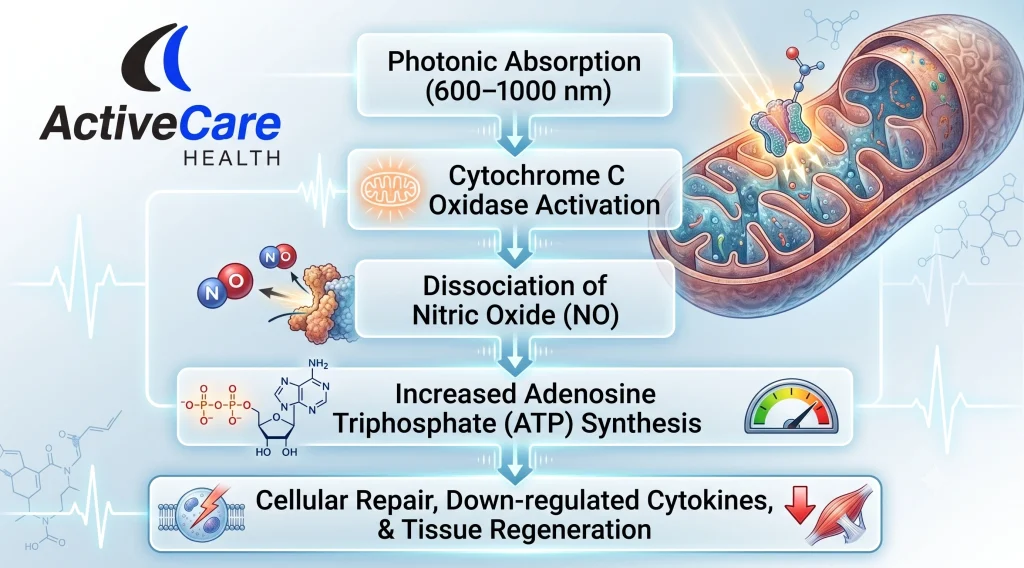
When photons within the 600 to 1000 nanometer spectrum strike cytochrome c oxidase, the following reaction takes place:
- Photonic Absorption – Light energy destabilizes the bond between nitric oxide and cytochrome c oxidase.
- Nitric Oxide Dissociation – The photo-dissociation frees the enzyme, allowing oxygen to re-bind to the catalytic center.
- Electron Transport Restoration – Uninhibited electron transfer resumes across the mitochondrial membrane.
- Proton Gradient Enhancement – The electrochemical potential across the inner mitochondrial membrane is restored.
ATP Synthesis and Energy Production
Adenosine triphosphate (ATP) is the primary energy molecule required for intracellular repair, protein synthesis, and active membrane transport. By unblocking cytochrome c oxidase, photobiomodulation significantly upregulates ATP synthase activity.
The downstream biochemical consequences of heightened ATP production include:
- Increased Gene Expression – Activation of transcription factors such as Nuclear Factor Kappa B (NF-kB), which regulates cell survival and repair proteins.
- Cellular Proliferation – Accelerated replication of fibroblasts, endothelial cells, and keratinocytes necessary for tissue reconstruction.
- Reactive Oxygen Species (ROS) Modulation – Controlled, low-level generation of signaling ROS that triggers anti-oxidative defense mechanisms without causing cellular damage.
Physiological Impacts on Tissue Repair and Inflammation
Cold laser therapy acts as a biological response modifier, systematically altering tissue biology across three distinct physiological phases: the acute inflammatory phase, the proliferative phase, and the tissue remodeling phase.
| Physiological Parameter | Standard Injured State | Post-Cold Laser Therapy State |
| Mitochondrial ATP Production | Severely Depressed | Upregulated (100% – 200% Increase) |
| Nitric Oxide Status | Bound to Complex IV (Inhibitory) | Dissociated / Free Radical Scavenged |
| Pro-Inflammatory Cytokines (TNF-, IL-1$beta$) | Elevated | Down-regulated |
| Microvascular Circulation | Restricted / Edematous | Enhanced via Vasodilation |
| Fibroblast Activity | Sluggish | Accelerated Collagen Synthesis |
Nitric Oxide Release and Vasodilation
The photodissociation of nitric oxide from cytochrome c oxidase yields secondary therapeutic benefits outside the mitochondrion. Once freed into the local cytoplasm and surrounding vasculature, nitric oxide functions as a potent signaling molecule:
- Vascular Smooth Muscle Relaxation – Nitric oxide diffuses into local blood vessels, inducing endothelial relaxation and capillary dilation.
- Enhanced Oxygen Delivery – Increased local blood flow delivers fresh oxygen, glucose, and essential amino acids directly to injured tissue sites.
- Lymphatic Drainage – Vasodilation reduces interstitial fluid pressure, assisting the lymphatic network in clearing cellular debris and localized swelling.
Reduction of Inflammatory Markers
Chronic swelling and persistent pain are driven by elevated concentrations of pro-inflammatory enzymes and signaling proteins. Photobiomodulation actively alters the inflammatory cytokine profile:
- Prostaglandin E2 (PGE2) Suppression – Cold laser light suppresses cyclooxygenase-2 (COX-2) enzyme expression, reducing PGE2 synthesis in a manner similar to non-steroidal anti-inflammatory drugs.
- Cytokine Down-regulation – The therapy reduces levels of Tumor Necrosis Factor-alpha (TNF-) and Interleukin-1 beta (IL-1$beta$), limiting systemic inflammation.
- Interleukin-10 (IL-10) Elevation – The expression of anti-inflammatory interleukins is boosted, actively promoting the transition from inflammation to tissue repair.
Collagen Production and Matrix Remodeling
During the remodeling stage of soft tissue repair, damaged collagen fibers must be replaced with structured extracellular matrix components. Cold laser light stimulates fibroblast proliferation, accelerating the synthesis of Type I and Type III collagen. This structural reinforcement increases the tensile strength of healed tendons, ligaments, and muscle fibers, reducing the probability of re-injury.
Clinical Applications and Treatment Parameters
Low-level light therapy is utilized across a range of neuromuscular and orthopaedic conditions. Effective administration depends on dosage precision, calculated in Joules per square centimeter ().
Primary Clinical Indications
- Tendinopathies – Achilles tendonitis, lateral epicondylitis (tennis elbow), and rotator cuff tendinopathy.
- Ligament Sprains and Muscle Strains – Acute ankle sprains, hamstring strains, and paraspinal muscle spasms.
- Joint Disorders – Osteoarthritis, rheumatoid arthritis, and temporomandibular joint dysfunction (TMJ).
- Neuropathic Conditions – Carpal tunnel syndrome, cervical radiculopathy, and peripheral neuropathy.
Key Treatment Parameters
- Wavelength
- 632 – 660 Nanometers (Red Light) – Ideal for superficial tissue repair, skin lesions, and shallow ligament structures.
- 808 – 905 Nanometers (Near-Infrared Light) – Provides deeper photon penetration required for deep muscle beds, large joints, and thick spinal tissues.
- Power Density (Irradiance) – Measured in milliwatts per square centimeter (), determining the rate of photon delivery to the target surface.
- Energy Density (Fluence) – Total energy delivered per unit area (). Therapeutic windows generally fall between 1 to 10 per treatment location.
- Pulsed versus Continuous Wave – Continuous output offers high total dose efficiency, whereas pulsed light (e.g., 10 to 10,000 Hz) reduces thermal buildup and alters neurological pain signal transmission.
Comparing Cold Laser Therapy to Alternative Modalities
When evaluated alongside traditional clinical modalities, low-level laser therapy provides distinct physiological mechanisms.
Cold Laser Therapy versus Surgical Lasers
- Power Output – Surgical lasers utilize 10 to 100+ Watts; cold lasers utilize 1 to 500 milliwatts.
- Tissue Interaction – Surgical lasers produce thermal destruction; cold lasers induce non-thermal photochemical interactions.
- Objective – Surgical lasers ablate or excise tissue; cold lasers preserve and regenerate tissue.
Cold Laser Therapy versus Ultrasound Therapy
- Energy Source – Ultrasound uses mechanical acoustic sound waves; laser uses electromagnetic photons.
- Cellular Target – Ultrasound heats collagen-rich tissue to increase flexibility; cold laser target cytochrome c oxidase to stimulate chemical energy (ATP) production.
- Inflammatory Response – High-intensity ultrasound can exacerbate acute inflammation; cold laser actively down-regulates inflammatory signaling in both acute and chronic conditions.
Frequently Asked Questions (FAQ)
What is the difference between cold laser therapy and high-power surgical lasers?
Cold laser therapy utilizes low-intensity light operating under 500 milliwatts, which does not generate sufficient heat to cut or cauterize tissue. Surgical lasers operate at significantly higher wattage levels designed specifically to create thermal destruction, cut skin, or ablate lesions.
Is cold laser treatment painful or dangerous?
Cold laser therapy is entirely non-invasive, painless, and safe when administered by trained clinical staff. Patients typically experience no physical sensation during treatment, though a slight, pleasant warming sensation from increased localized circulation can occasionally occur. Protective eyewear is worn during sessions to protect retinal tissue from direct light exposure.
How many cold laser treatment sessions are required for recovery?
Treatment protocols vary depending on whether an injury is acute or chronic. Acute conditions such as minor ligament sprains may require 4 to 8 sessions, while chronic conditions like osteoarthritis or severe tendinopathies often require 10 to 15 visits. Individual treatment plans are formulated based on tissue depth and cellular response rates.
Are there contraindications for low-level laser therapy?
Low-level light therapy is contraindicated directly over active cancerous tumors, the thyroid gland, and the abdomen during pregnancy. Additionally, laser light must never be shone directly into the eyes. A clinical history evaluation is performed prior to administration to ensure safe usage.
How quickly do patients experience physiological results from cold laser therapy?
Cellular changes – such as increased ATP production and nitric oxide release – begin within minutes of photon absorption. However, noticeable clinical outcomes such as pain reduction and decreased swelling usually manifest within 24 to 48 hours after treatment as the anti-inflammatory signaling pathway takes effect.