
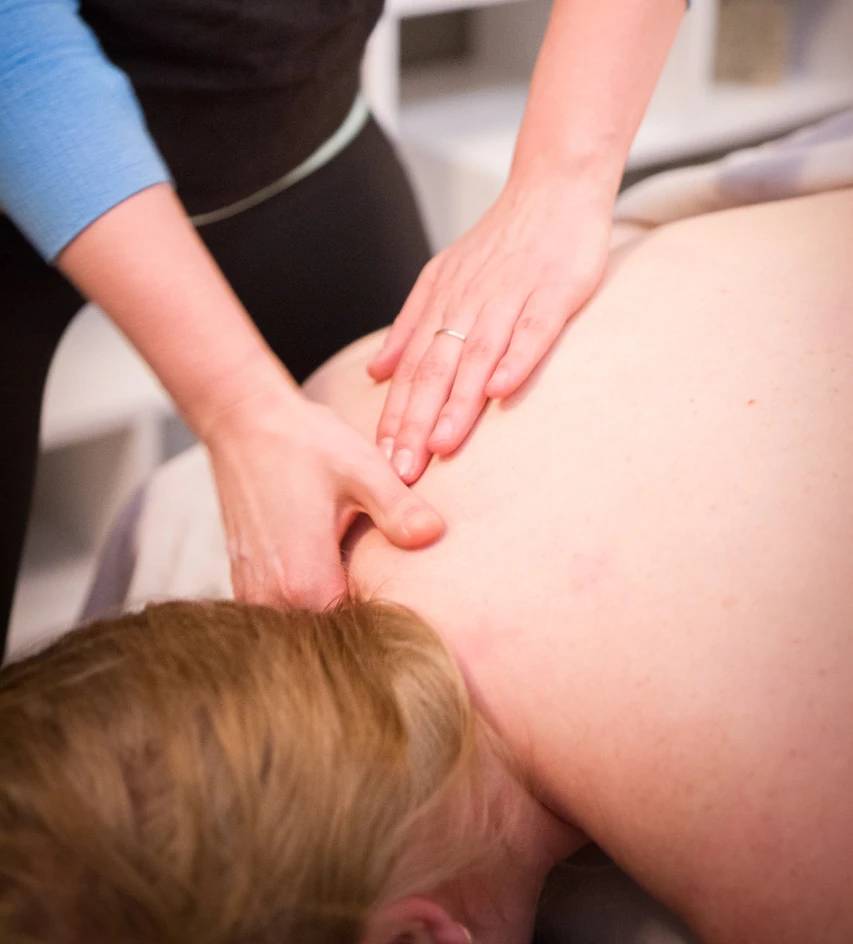
Massage therapy for corporate employees addresses sedentary strain caused by prolonged sitting and repetitive computer use. In Kelowna, this clinical approach focuses on mitigating conditions such as neck stiffness, lower back pain, and tension headaches. These treatments facilitate musculoskeletal recovery and improve postural alignment, ensuring professionals maintain physical functionality within a demanding office environment.
Defining Sedentary Strain in the Corporate Context
Sedentary strain is a physiological condition resulting from prolonged periods of physical inactivity combined with repetitive isometric muscle contractions. This phenomenon is prevalent among Kelowna office workers who maintain static postures for eight to ten hours daily. The human body is biomechanically designed for movement; therefore, sustained sitting disrupts the natural distribution of weight across the spinal column and pelvis.
Kelowna Massage Therapy provides a clinical intervention to counteract the adaptive shortening of muscle fibers that occurs during these periods of stasis. When an individual sits at a desk, the hip flexors remain in a contracted state, while the gluteal muscles undergo prolonged elongation and inhibition. This muscular imbalance, known as Lower Crossed Syndrome, shifts the pelvic tilt and increases the load on the lumbar spine. Clinical massage applications target these specific muscle groups to restore normative length-tension relationships.
Pathological Manifestations of Professional Desk Work
Professional desk work often leads to a cluster of musculoskeletal disorders that negatively impact long-term health and productivity. These conditions arise from ergonomic inefficiencies and the lack of postural variety.
The Biomechanics of Text Neck
Text neck is a clinical term used to describe the repeated stress injury to the cervical spine caused by excessive forward head posture. For every inch the head moves forward from its neutral alignment, the relative weight of the head on the cervical spine increases by approximately ten pounds. This leads to:
- Chronic strain of the levator scapulae and upper trapezius muscles.
- Compression of the cervical intervertebral discs.
- Reduced range of motion in the neck and shoulders.
- Development of myofascial trigger points that refer pain to the base of the skull.
Carpal Tunnel Syndrome and Repetitive Motion
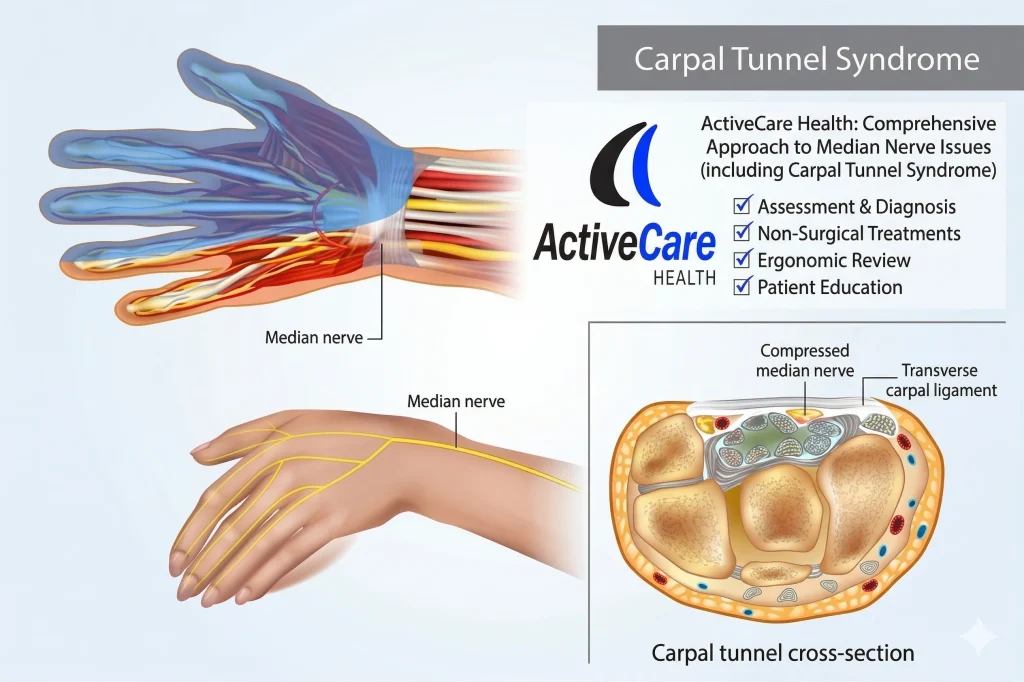
Carpal tunnel syndrome is a condition characterized by the compression of the median nerve as it passes through the carpal tunnel in the wrist. For corporate professionals, this is typically caused by repetitive typing and improper mouse placement. Symptoms include numbness, tingling, and weakness in the thumb and first three fingers. Massage therapy focuses on releasing the flexor muscles of the forearm to reduce the tension transmitted through the tendons in the wrist.
Tension Headaches and Suboccipital Compression
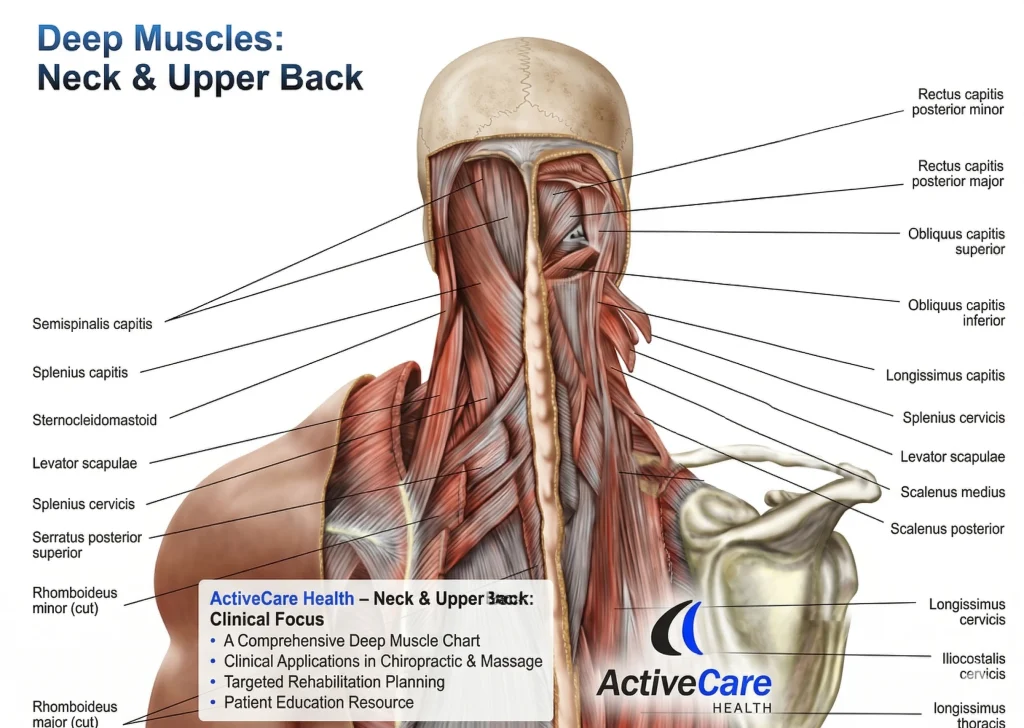
Tension headaches are primary headaches often caused by muscular contractions in the head and neck region. In a corporate setting, these are frequently triggered by eye strain and the continuous contraction of the suboccipital muscles at the base of the skull. These small muscles often become hypertonic when an individual tilts their chin upward to view a monitor that is not positioned at the correct height.
The Biomechanical Role of Massage Therapy
Massage therapy serves as a mechanical and physiological intervention to reverse the effects of sedentary lifestyle stressors. It is not merely a relaxation tool but a targeted clinical practice designed to manipulate soft tissues for functional improvement.
Soft Tissue Manipulation and Myofascial Release
Myofascial release is a specialized manual therapy technique that involves applying gentle, sustained pressure into the myofascial connective tissue restrictions. Fascia is a continuous web of connective tissue that surrounds every muscle, bone, nerve, and organ in the body. When a professional remains in a static position, the fascia can become dehydrated and adhesive, “locking” the body into poor postural patterns.
- Myofascial release breaks down these adhesions to restore elasticity.
- It improves the glide between different muscle layers.
- It facilitates better lymphatic drainage and waste product removal from muscle tissues.
Neuromuscular Recovery and Spinal Health
Neuromuscular therapy is a form of deep tissue massage that focuses on the nervous system and its relationship with the skeletal muscles. For office workers, this involves identifying “hidden” sources of pain that stem from nerve entrapment. Professional standards for massage therapy are maintained by Active Care Health in the Kelowna region to ensure that these complex clinical needs are met with high-level expertise.
Spinal health is further supported through the coordination of soft tissue release and chiropractic adjustments. While chiropractic care addresses the alignment of the vertebral segments, massage therapy addresses the “soft tissue tug-of-war” that often pulls the spine back out of alignment after a treatment. By relaxing the hypertonic muscles that surround the spine, massage therapy increases the longevity of postural corrections.
Local Regulatory Standards in British Columbia
Massage therapy is a regulated health profession in British Columbia, ensuring that practitioners meet rigorous educational and ethical requirements. This regulation protects the public by establishing a standardized scope of practice.
Transition to the CCHPBC and the HPOA
As of April 1, 2026, the regulation of massage therapists in British Columbia has transitioned to the College of Complementary Health Professionals of British Columbia (CCHPBC). This shift occurred under the Health Professions and Occupations Act (HPOA), which replaced the previous Health Professions Act.
The CCHPBC now oversees four distinct professions:
- Massage Therapy
- Chiropractic Care
- Naturopathic Medicine
- Traditional Chinese Medicine and Acupuncture
This unified regulatory model aims to provide consistent standards for patient safety, anti-discrimination, and professional accountability across all complementary health disciplines. Active Care Health adheres to these updated provincial mandates to provide safe and effective clinical care.
Licensing and Educational Requirements
To become a Registered Massage Therapist (RMT) in British Columbia, an individual must complete an accredited program that typically requires over 2,000 hours of clinical and classroom instruction. This curriculum includes:
- Advanced human anatomy and physiology.
- Pathopathology and neurology.
- Orthopedic assessment and clinical reasoning.
- Professional ethics and standards of practice.
- Successful completion of the CCHPBC entry-to-practice examinations.
Selecting a Registered Massage Therapist in Kelowna
Choosing the right professional is critical for achieving therapeutic outcomes and ensuring safety. Corporate professionals should utilize a technical framework to evaluate potential providers.
5-Point Evaluation Framework
When selecting a massage therapist in Kelowna, patients should verify the following five criteria:
- Verification of Registration: Confirm that the therapist is a current licensee in good standing with the CCHPBC. This ensures they carry mandatory professional liability insurance and adhere to the provincial code of ethics.
- Clinical Assessment Protocols: A professional therapist must perform an initial orthopedic assessment and health history review. If a therapist begins treatment without assessing your range of motion or specific pain triggers, they are not meeting clinical standards.
- Goal-Oriented Treatment Planning: The therapist should provide a clear rationale for the techniques being used and establish measurable goals, such as increasing neck rotation by a specific degree or reducing headache frequency over four weeks.
- Professional Environment and Boundaries: The facility must maintain high standards of hygiene and privacy. Practitioners are required to follow strict draping protocols to ensure patient comfort and professional boundaries.
- Evidence-Based Continuing Education: Inquire about the therapist’s specific areas of post-graduate study. Professionals who specialize in myofascial release, trigger point therapy, or ergonomic assessment are often better suited for office-related issues.
Frequently Asked Questions
How often should an office worker receive massage therapy?
For maintenance and prevention of sedentary strain, a frequency of once every four weeks is typically recommended. However, if an individual is currently experiencing acute symptoms like carpal tunnel or severe tension headaches, a more intensive initial plan of once per week for four weeks may be necessary to stabilize the condition.
Can massage therapy replace the need for an ergonomic desk setup?
It is a complementary tool, not a replacement. Massage therapy treats the symptoms and physiological effects of poor ergonomics, but the primary cause must be addressed through proper monitor height, lumbar support, and regular movement breaks to prevent the recurrence of strain.
Is deep tissue massage better than Swedish massage for neck stiffness?
Deep tissue massage is often more effective for chronic muscle tension and “text neck” because it reaches the deeper layers of musculature and fascia. Swedish massage is beneficial for general circulation and stress reduction but may not address the underlying adhesions causing postural dysfunction.
What should I expect during my first clinical massage session?
The first session will include a consultation and a physical assessment. The therapist will test your range of motion and palpate the muscles to identify areas of hypertonicity. The actual hands-on treatment will be tailored based on these findings.