When one hears the word “massage,” the immediate image is often one of a dimly lit room, soothing music, and a deep sense of calm washing over the body. While a relaxation massage is a wonderful tool for stress reduction, it is important to understand that not all massages are created equal. Especially in a place like Kelowna, where an active lifestyle is commonplace, there is a clear distinction between a general feel-good rub-down and the clinical, results-oriented work of a Registered Massage Therapist (RMT).
The key distinction lies in the credentials and the focus of the treatment. A Registered Massage Therapist, or RMT, has undergone extensive, regulated training in anatomy, physiology, pathology, and various therapeutic techniques. They are healthcare professionals who are skilled in assessing, treating, and preventing physical dysfunction, injury, and pain of the soft
tissues and joints. In the world of Kelowna massage therapy, choosing an RMT means choosing a clinical approach designed for healing and functional improvement.
Therapeutic Massage: A Clinical Approach to Pain and Mobility
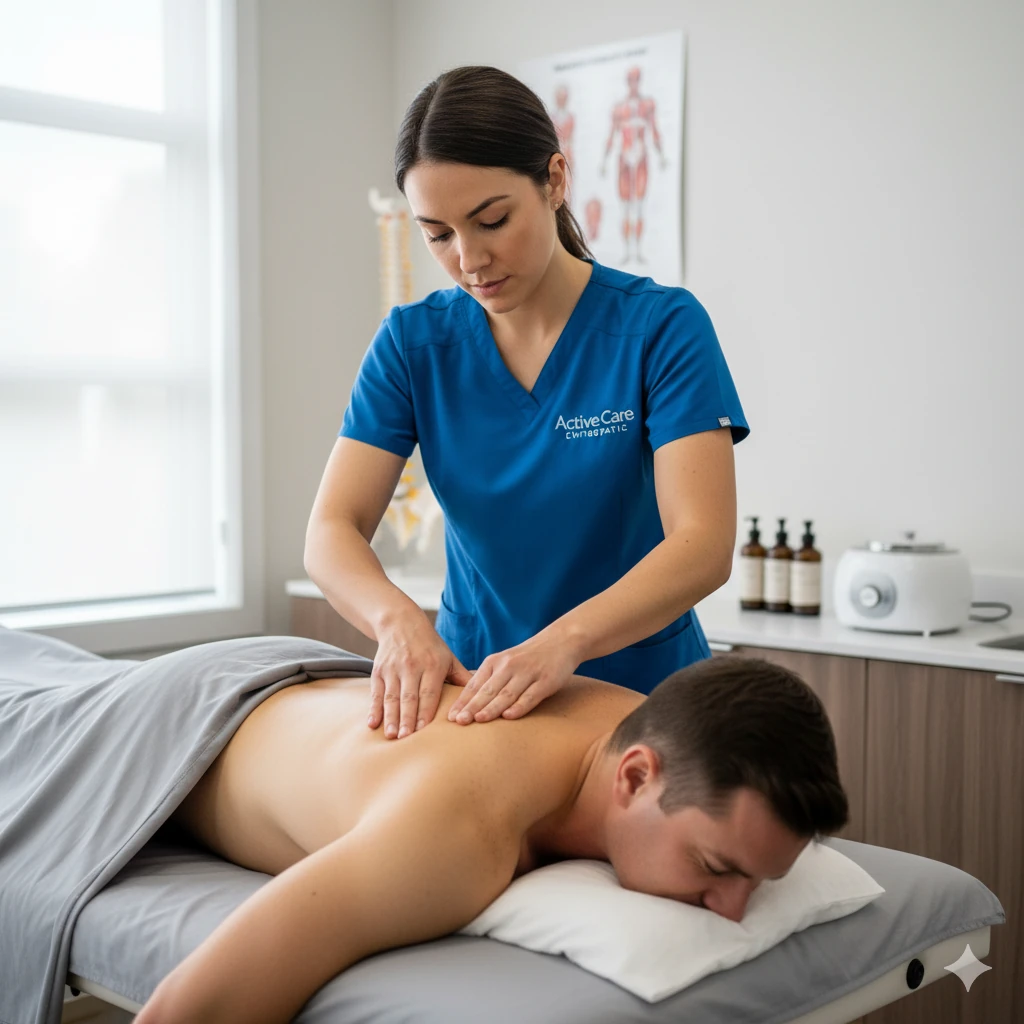
Therapeutic or RMT massage is not simply a luxurious indulgence; it is a targeted treatment plan designed to address specific pain,
injury, and mobility issues. Unlike a relaxation massage, which uses long, gentle strokes (like Swedish massage) to reduce overall muscle tension and calm the nervous system, therapeutic massage employs specialized, evidence-based techniques to achieve specific changes in the body’s tissues.
At a clinic like Active Care Health, RMTs do not begin a session with a generic approach. Instead, they start with a comprehensive
assessment to understand your unique condition, medical history, posture, and movement patterns. This information is vital because it allows the Registered Massage Therapist practitioner to determine the root cause of your discomfort, which may be located far from the area where you feel the pain.
Some of the specialized techniques used by RMTs to treat pain and improve function include:
- Myofascial Release: This technique involves applying sustained, gentle pressure to release tension in the fascia, the connective tissue that surrounds muscles and organs. Fascial restrictions can cause pain and restrict movement; releasing them can significantly improve flexibility and posture.
- Trigger Point Therapy: This treatment focuses on hyperirritable spots (knots) within a taut band of muscle tissue. By applying direct, focused pressure, the RMT can deactivate these points, which often refer pain to other areas of the body, offering profound relief from chronic tension and headaches.
- Deep Tissue Massage: While this technique can involve firm pressure, its goal is not simply to be “hard.” The intent is to target the deeper layers of muscle and connective tissue. It is effective for breaking down scar tissue and adhesions that form after an injury, thereby restoring function and mobility.
- Joint Mobilization: RMTs are trained to gently mobilize joints to increase their range of motion and reduce stiffness, a common problem for people who lead active or sedentary lives.
These techniques are utilized to address conditions such as chronic low back pain, whiplash, sciatica, carpal tunnel syndrome, tension
headaches, and sports-related injuries. The outcome is not just feeling temporarily relaxed; it is about achieving measurable improvements in your ability to move without pain.
The Synergistic Power of Integrated Active Care
For those truly seeking a long-term solution to their physical ailments, the greatest power of therapeutic Kelowna massage lies in
its combination with other forms of active care, specifically chiropractic treatment. Active Care Health is built on the philosophy that a
multi-disciplinary approach yields superior and longer-lasting results.
Here is how the two therapies work together in powerful synergy:
- Preparation for Adjustment: Tight muscles are stubborn muscles. Before a chiropractic adjustment, a therapeutic massage can warm up and relax the surrounding soft tissues. When the muscles are relaxed, the chiropractor can perform a more effective, comfortable, and stable adjustment, which is less likely to be immediately pulled out of alignment by tense muscles.
- Addressing Both Structure and Function: Chiropractic care primarily focuses on the nervous system and the skeletal structure—ensuring the spine and joints are properly aligned. Massage therapy focuses on the soft tissue—the muscles, tendons, and ligaments that support the structure. By treating both the structural imbalance (the joint) and the functional component (the muscle) at the same time, the body can achieve a more complete and holistic form of healing.
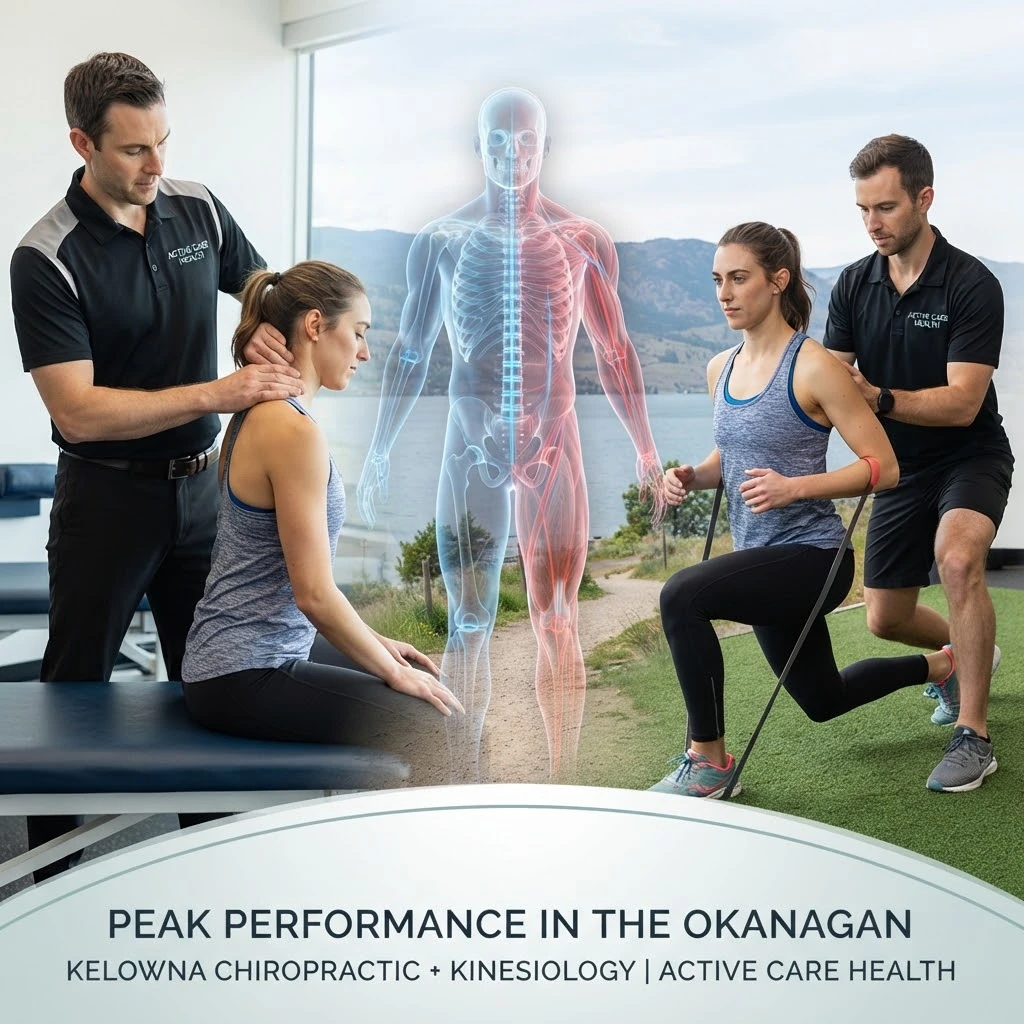
- Reinforcing Treatment: The long-term success of any treatment plan often relies on the patient’s ability to move correctly outside of the clinic. The RMT’s work is often complemented by the guidance of a Kelowna kinesiologist or the chiropractor, who can provide corrective exercises and stretches to strengthen new movement patterns. This comprehensive approach ensures that the improvements made during the session are maintained in your daily life.
In essence, the massage therapy at Active Care Health is an integral piece of a larger health and wellness puzzle. It prepares the body for chiropractic care, supports the healing of soft tissue injuries, and helps to reduce the chronic muscle tension that contributes to poor posture and pain.
Moving Beyond Relaxation
If you are dealing with chronic discomfort, recovering from an injury, or simply noticing a restricted range of motion, you owe it to
yourself to experience the difference a Registered Massage Therapist can make. It is an investment in your musculoskeletal health that goes far beyond a temporary escape. Therapeutic massage at Active Care Health is an essential component of a dedicated, comprehensive strategy to restore your function, eliminate pain, and empower you to live the active, healthy life that Kelowna
is famous for.
Frequently Asked Questions
What is the difference between an RMT and a non-registered massage practitioner?
A Registered Massage Therapist (RMT) is a regulated healthcare professional in British Columbia. They must complete a minimum of 2,200 hours of training in anatomy, pathology, neurological conditions, and remedial exercise, and pass provincial board exams. This extensive training qualifies them to perform clinical, therapeutic massage to treat specific medical conditions, injuries, and pain. A non-registered practitioner, often found in spa settings, may provide relaxing or basic Swedish massage but does not have the same standardized clinical training, and their services are generally not eligible for coverage under extended health benefit plans.
Will a therapeutic RMT massage hurt, and will I be sore afterwards?
Therapeutic RMT massage, particularly when incorporating techniques like Deep Tissue or Trigger Point Therapy, often involves firmer pressure to reach deeper muscle layers and break up adhesions or knots. While you may experience some temporary discomfort or “good pain” during the treatment, it should never be unbearable or sharp. Your RMT will communicate with you constantly to manage the pressure. It is also common to feel some mild muscle soreness, similar to what you feel after a good workout, for 24 to 48 hours following a session, especially as your body adjusts to new, improved alignment and reduced tension.
How does therapeutic massage complement chiropractic care at Active Care Health?
Massage therapy and chiropractic care work synergistically to provide comprehensive and long-lasting results. Chiropractic adjustments focus on restoring proper alignment and function to the joints and nervous system. RMT massage focuses on the surrounding soft tissues (muscles, tendons, and fascia). Tight muscles can pull the spine out of alignment quickly; therefore, massage therapy prepares the muscles, making them soft and pliable so that the chiropractic adjustments are more effective and stable. By addressing both the structural (bone/joint) and functional (muscle) components of an issue, the combined treatment significantly reduces the likelihood of rapid recurrence.
What specific conditions can RMTs at Active Care Health treat?
The RMTs at the clinic treat a wide range of musculoskeletal issues that go beyond general stress relief. Common conditions include chronic lower back and neck pain, tension headaches, sciatica, whiplash, sports-related injuries (strains and sprains), repetitive strain injuries (like carpal tunnel syndrome), and postural dysfunction caused by long hours of sitting. By using techniques like Myofascial Release and Neuromuscular Therapy, the RMT helps to restore mobility and decrease pain tied to these specific physical ailments.
Do I need a doctor's referral to see a Registered Massage Therapist in Kelowna?
No, you do not need a referral from a medical doctor to book an appointment with a Registered Massage Therapist in British Columbia. RMTs are considered primary healthcare practitioners. However, if you plan to submit your treatments for reimbursement through an extended health insurance plan, your specific policy may require a physician’s referral for coverage. You should always check with your insurance provider beforehand to confirm their specific requirements.