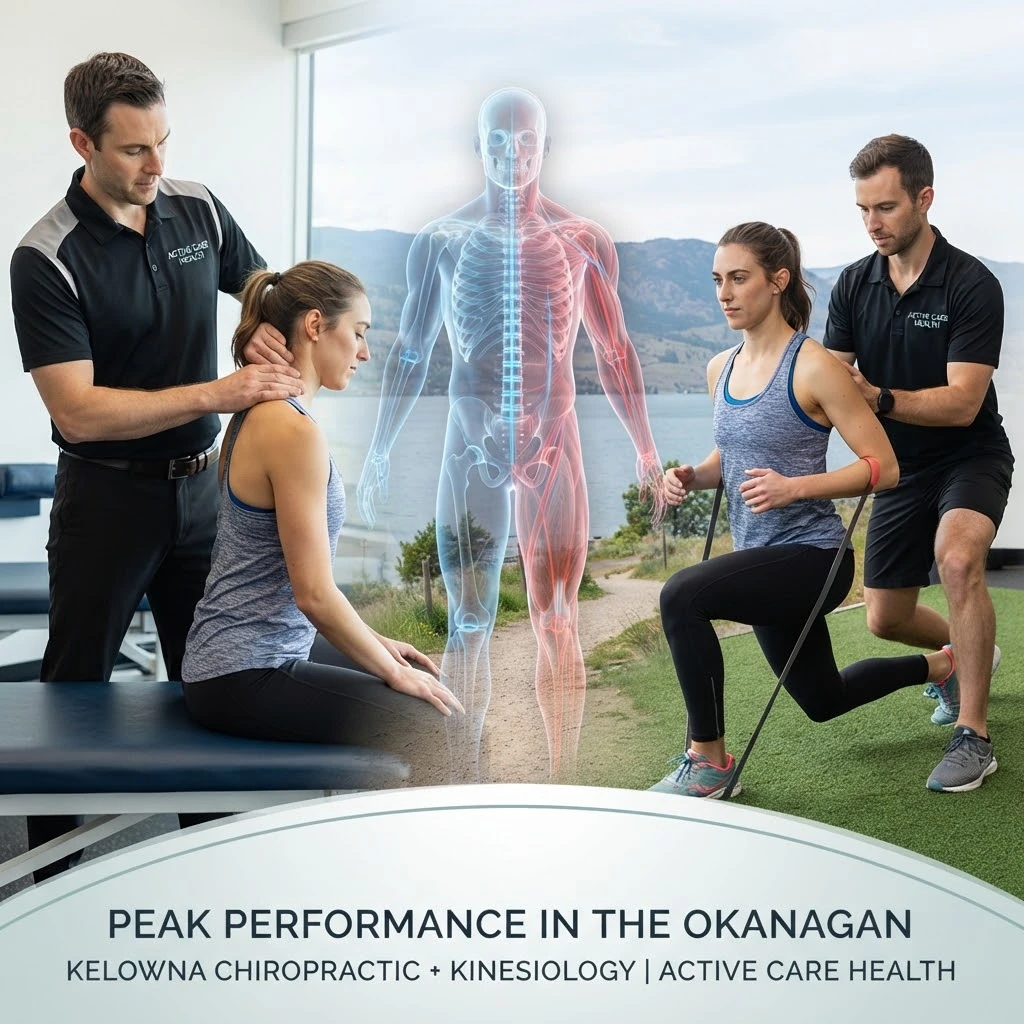
Maintaining musculoskeletal health within the hospitality sector requires localized preventative and rehabilitative frameworks. Long shifts on rigid restaurant and hotel flooring lead to repetitive strain, poor posture, and spinal misalignment among service workers. Targeted interventions from a Kelowna chiropractor can restore joint mobility, realign the spine, and prevent chronic occupational injuries for servers, chefs, and hotel staff.
Occupational Biomechanics of Hospitality Work in Kelowna
The local tourism and culinary sectors in the Central Okanagan region demand prolonged physical exertion from employees. According to economic data, the regional economy processes over two million visitors annually, creating a high-density environment for food, beverage, and accommodation workers. This commercial volume accelerates the physical wear on the musculoskeletal systems of hospitality staff.
The physical hazards of this environment are divided into distinct operational categories.
Prolonged Axial Loading
Kitchen and front-of-house staff routinely stand for eight to twelve hours per shift on non-yielding surfaces such as polished concrete, slate, or hardwood. This standing induces continuous axial loading on the lumbar spine. Without sufficient shock absorption, the force is transferred directly up the skeletal chain, causing micro-strain in the sacroiliac joints and the intervertebral discs.
Asymmetrical Load Bearing
Servers frequently carry heavy trays using a single upper extremity. This unilateral weight distribution forces the contralateral paraspinal muscles to contract continuously to maintain equilibrium. Over extended periods, this pattern alters the natural curvature of the spine, leading to functional scoliosis, lateral pelvic tilts, and compensatory shoulder instability.
Repetitive Cervical Flexion
Chefs, sous chefs, and prep cooks operate in a sustained forward-flexed posture while working at food preparation stations. Maintaining a head tilt of 45 to 60 degrees significantly multiplies the relative weight of the cranium on the cervical spine. This posture results in upper cross syndrome, characterized by weak deep cervical flexors and tight pectoralis and upper trapezius muscles.
Pathophysiology of Hospitality-Induced Spinal Misalignment
When the human body is subjected to persistent occupational stress, the neurological and structural components of the spine undergo predictable pathological shifts. Understanding these mechanisms is essential for implementing effective corrective protocols.
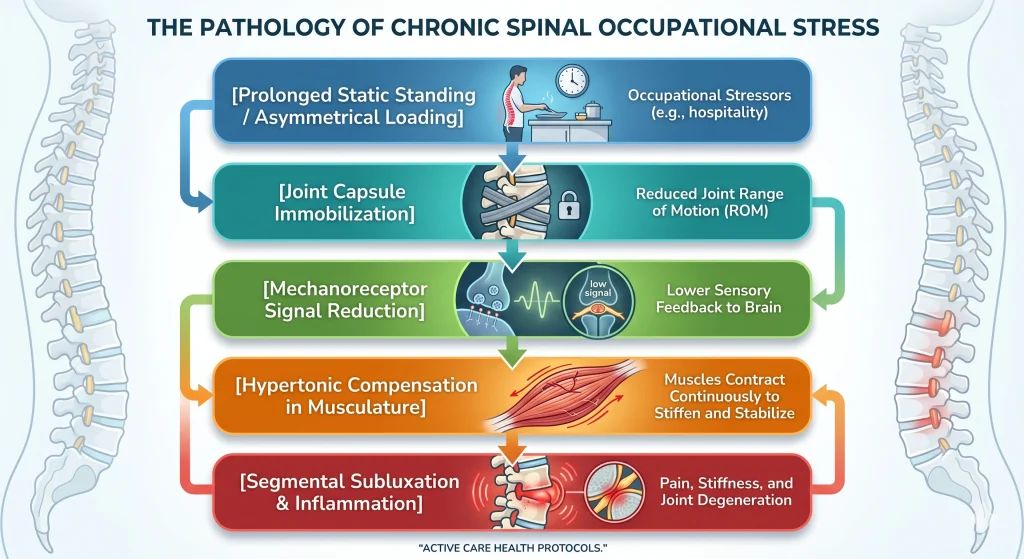
When a joint suffers a restriction in its normative range of motion, the local joint capsule and surrounding ligaments undergo micro-immobilization. This restriction reduces the sensory output from mechanoreceptors to the central nervous system. To compensate for the loss of positional feedback, the brain recruits adjacent muscle groups, inducing hypertonicity and structural stiffness.
This chronic muscle tightness exerts uneven tension on the bony architecture of the spine. The result is a segmental subluxation, where individual vertebrae shift from their optimal alignment. This misalignment alters the loading mechanics of the intervertebral discs, accelerating degenerative joint disease and causing localized inflammatory responses that compress adjacent nerve roots.
Technical Evaluation Framework for Selecting a Chiropractic Professional
Hospitality professionals seeking clinical intervention must utilize an objective criterion to evaluate practitioners. Selecting an expert in the field requires analyzing specific diagnostic and therapeutic capabilities.
1. Objective Diagnostic Protocols
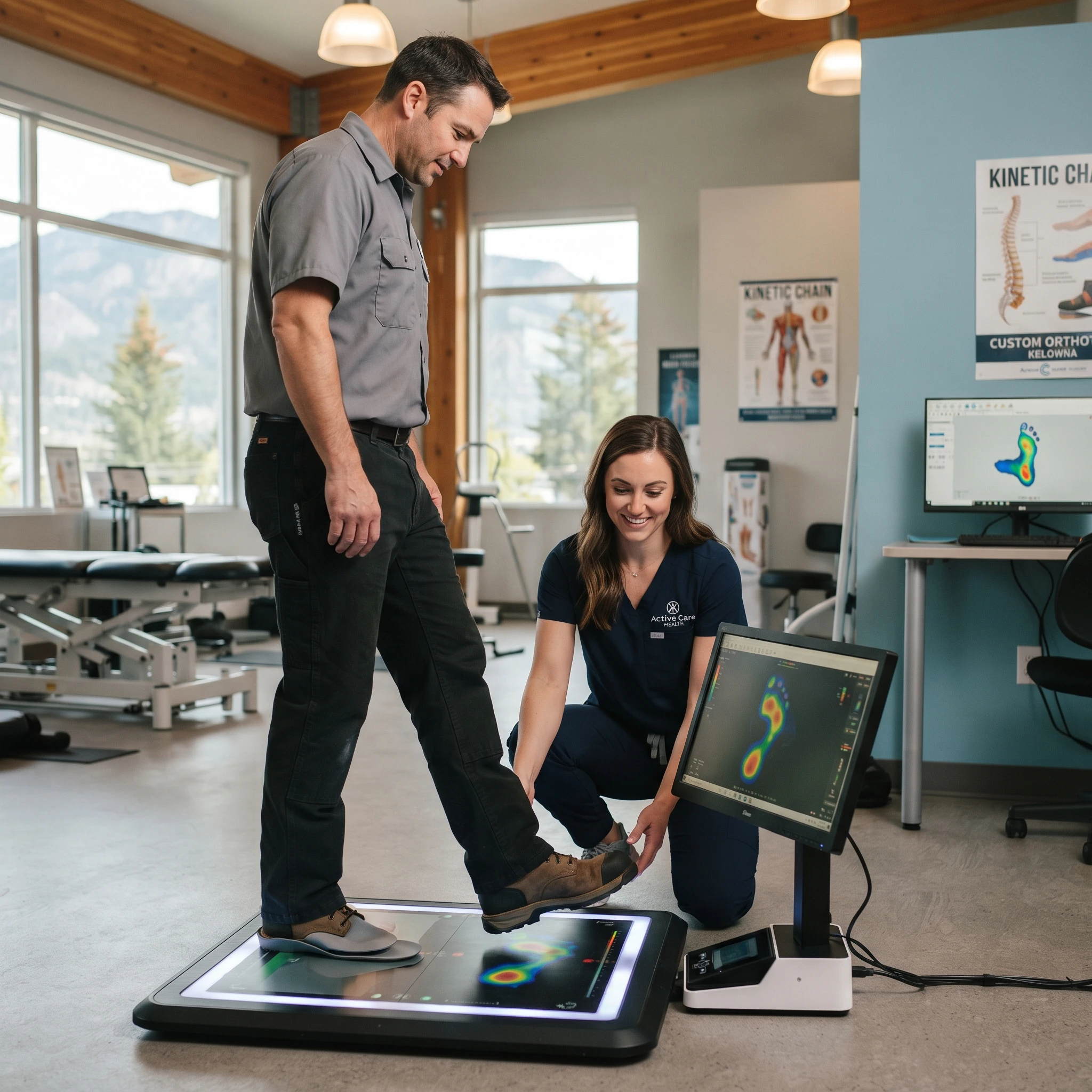
The practitioner must utilize established physical examination measures rather than subjective assessments. This includes computerized spinal range-of-motion testing, bilateral weight-distribution analysis, and digital static palpation. These tests isolate specific segments of joint restriction and quantify muscular imbalances.
2. Tailored Treatment Methodology
A qualified professional should design interventions around the specific occupational movements of the patient. For a culinary professional, the treatment plan must target upper thoracic and cervical mechanics. For a server or housekeeper, the focus must shift to lumbar stability and pelvic alignment.
3. Integrated Soft-Tissue Therapy
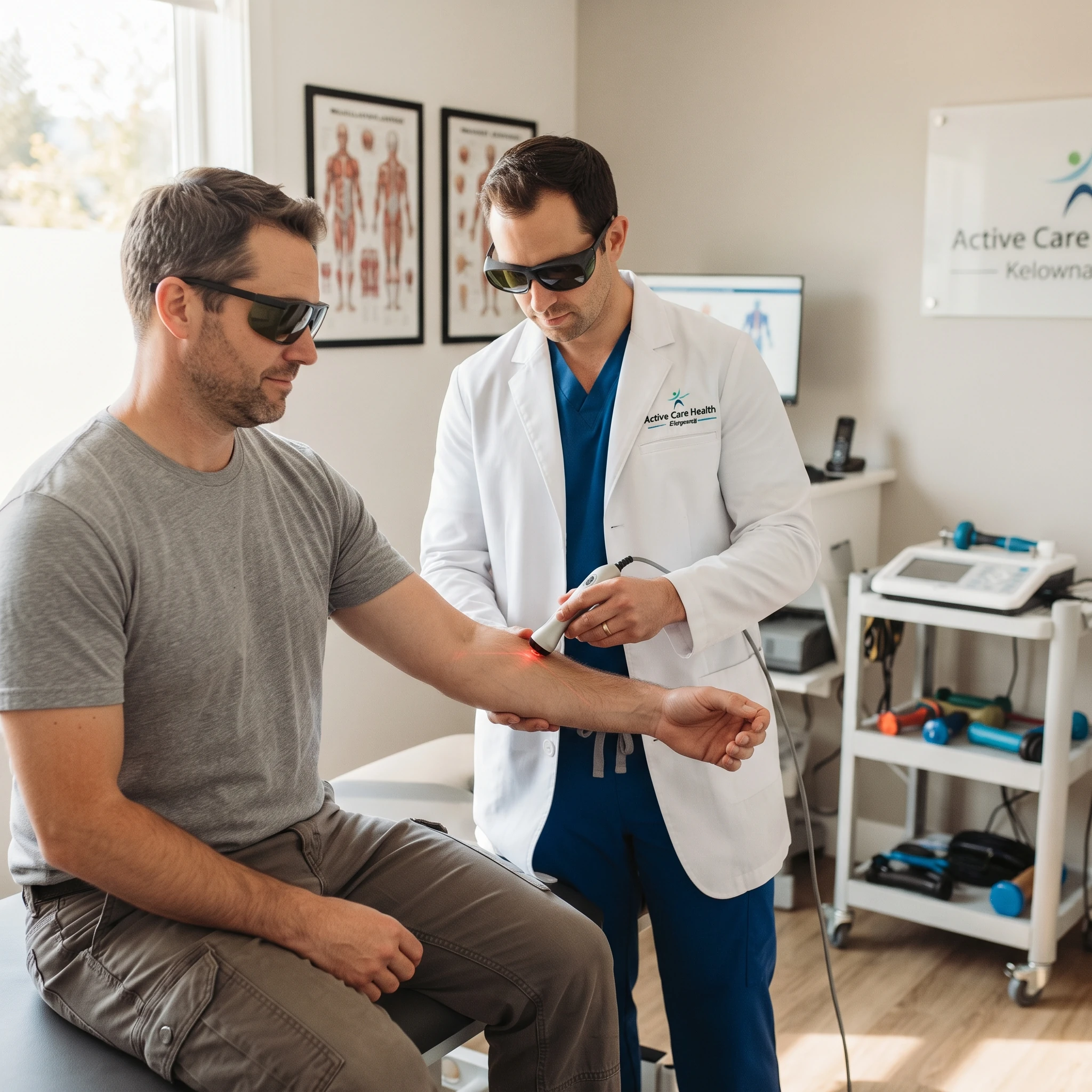
Joint manipulation is most effective when combined with advanced soft-tissue modalities. The clinic should offer therapies such as the Active Release Technique (ART), instrument-assisted soft-tissue mobilization (IASTM), or myofascial trigger point therapy to resolve chronic muscle hypertonicity and scar tissue.
4. Quantitative Progress Monitoring
The clinical protocol must include periodic re-evaluations to measure recovery metrics. These assessments should track improvements in degrees of joint flexion, reductions in visual analog scale (VAS) pain scores, and increased functional capacity during work tasks.
5. Evidence-Based Patient Rehabilitation
High-quality care extends beyond the clinic table. The selected professional must provide active rehabilitation protocols, including specific eccentric strengthening exercises, ergonomic workstation modifications, and core stabilization routines designed to withstand long work shifts.
Clinical Interventions for Restoring Musculoskeletal Integrity
Reversing the structural damage caused by the hospitality industry requires a multi-tiered clinical strategy. Practitioners utilize targeted techniques to address both osseous and soft-tissue pathology.
High-Velocity, Low-Amplitude (HVLA) Adjustments
The primary intervention for segmental subluxation is the HVLA adjustment. By applying a controlled, thrust to specific restricted joints, the practitioner restores normative joint motion, relieves mechanical pressure on nerve structures, and resets the local proprioceptive firing patterns.
Myofascial Release and Decompression
To address the chronic muscular binding common in chefs and servers, practitioners utilize targeted soft-tissue compression. This technique breaks down fascial adhesions, stimulates local blood flow, and accelerates cellular repair in over-worked muscle groups.
Core and Pelvic Stabilization Protocols
Long-term structural resilience requires active core engagement. Practitioners design rehabilitation protocols focused on strengthening the deep stabilizing muscles of the lower back and abdomen, including the multifidus and transversus abdominis. This stabilization creates an internal brace that protects the lumbar spine from the strains of prolonged standing.
Frequently Asked Questions
How does a chiropractic adjustment differ from general massage for a hospitality worker?
A chiropractic adjustment specifically targets the osseous structures and nervous system by restoring motion to restricted joint segments. Massage therapy focuses primarily on the muscular system and soft-tissue hypertonicity. While massage reduces muscle tension, a chiropractic intervention addresses the underlying spinal misalignments and joint restrictions that often cause chronic muscle spasms.
How many sessions are typically required to see structural improvements?
The duration of a care plan depends on the chronic nature of the spinal misalignments and individual occupational habits. Acute symptoms often improve within four to six visits. Correcting long-standing postural distortions and building spinal resilience for demanding service shifts typically requires an extended protocol of eight to twelve weeks, paired with active rehabilitation exercises.
Are chiropractic adjustments safe for service staff who experience daily joint popping?
Yes. Joint popping that occurs during standard daily movements often indicates hypermobility or structural compensation around a restricted joint segment. A regulated practitioner evaluates these movement patterns to identify the true areas of joint fixation. Applying targeted adjustments to the restricted segments stabilizes the hypermobile areas and stops habitual popping.
Can kitchen workers with flat feet benefit from spinal care?
Yes. Flat feet alter the entire kinetic chain of the lower extremities, causing internal rotation of the tibia and femur, which leads to a forward pelvic tilt and increased lumbar lordosis. Practitioners treat these secondary spinal compensations and frequently prescribe custom orthopedic inserts to stabilize the feet, providing a balanced foundation for long standing shifts.
Is chiropractic care covered under provincial health or employment insurance plans?
Chiropractic services are widely covered under British Columbia’s Extended Health Benefits (EHB) plans provided by employers in the hospitality and corporate sectors. Furthermore, individuals with specific low-income status or those recovering from workplace injuries may qualify for partial coverage through the Medical Services Plan (MSP) or WorkSafeBC programs.