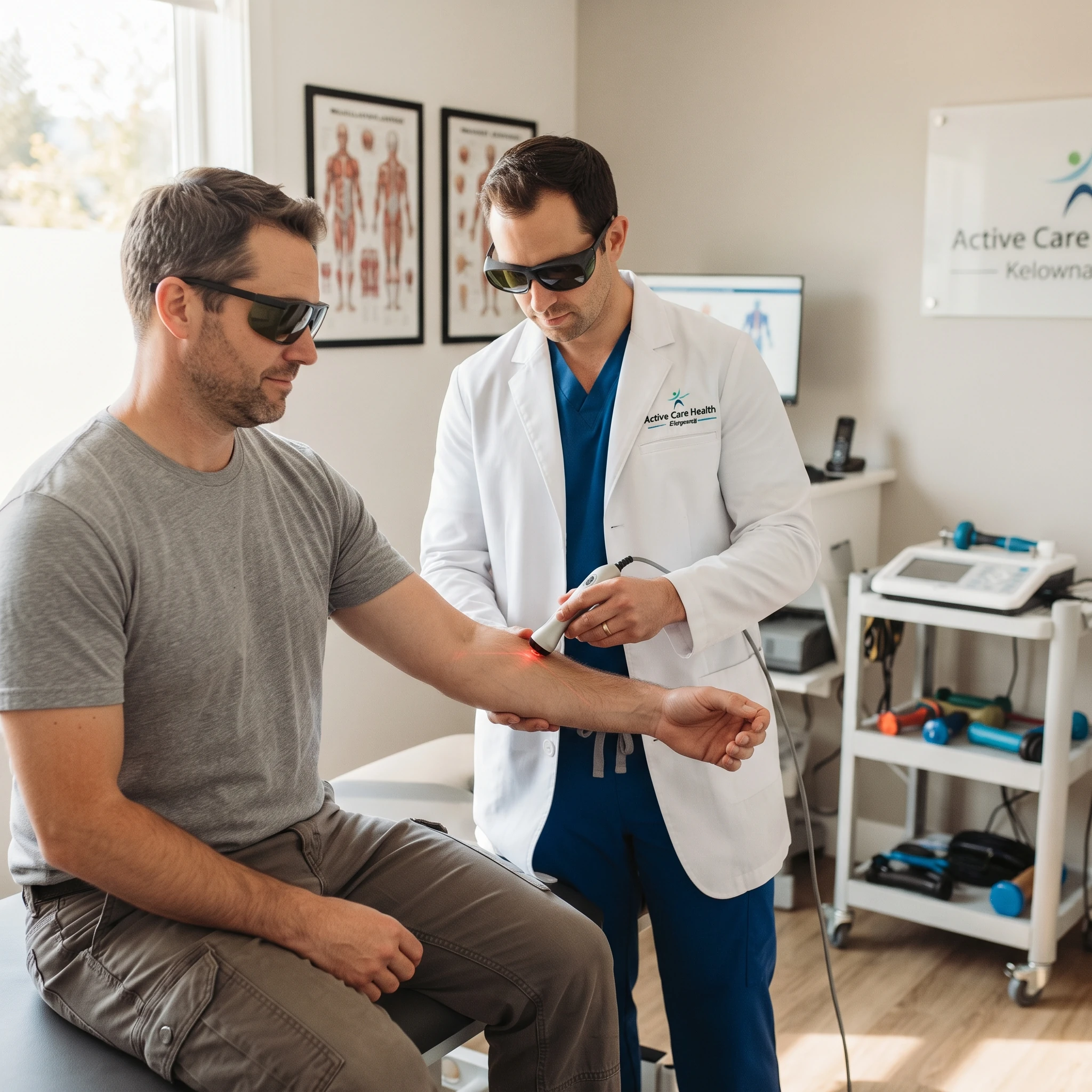
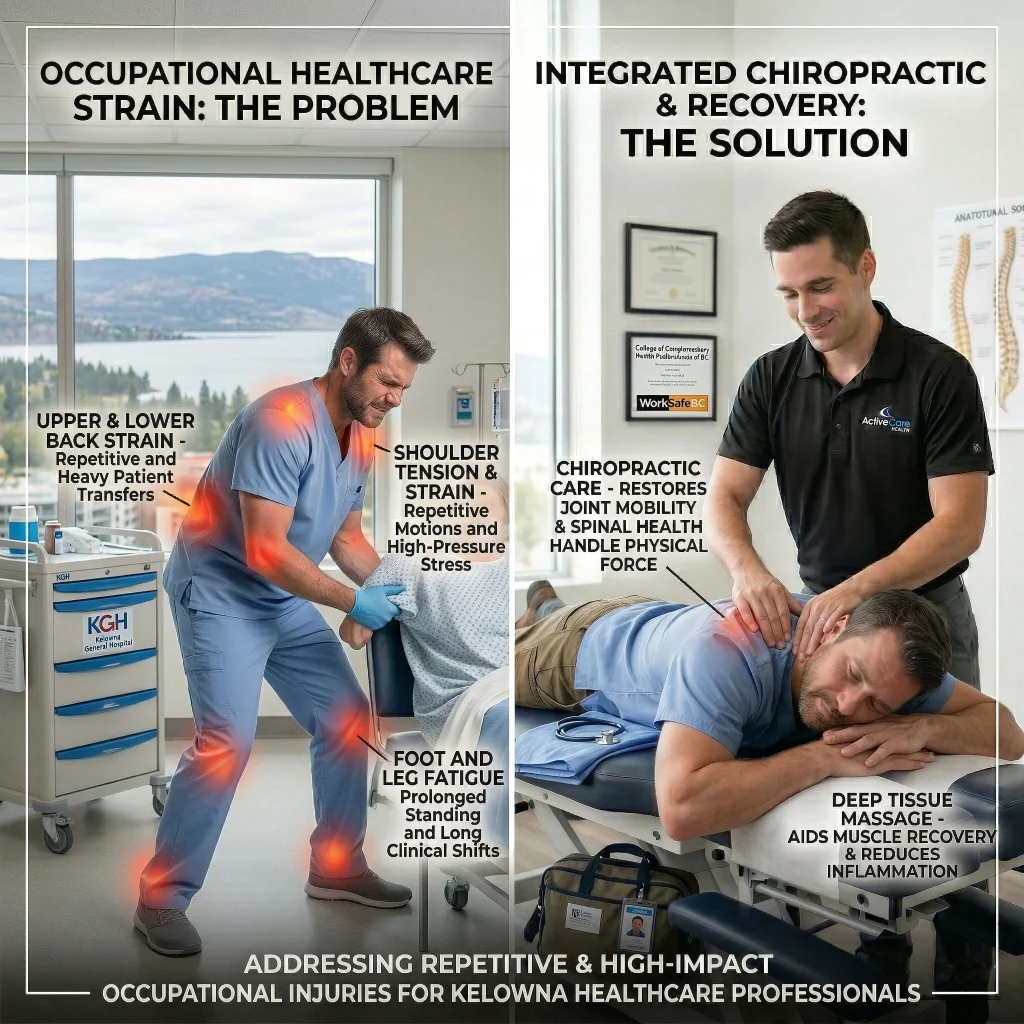
Nursing and healthcare professionals in Kelowna encounter significant physical demands from patient lifting and extended periods of standing. Kelowna chiropractic care facilitates musculoskeletal health by addressing spinal misalignments and joint dysfunction. These interventions promote core stability and reduce the incidence of occupational injuries, ensuring that healthcare workers can maintain the physical resilience required for demanding clinical environments in the Okanagan.
The Landscape of Occupational Health for Kelowna Healthcare Workers
Occupational health within the healthcare sector refers to the management of physiological and psychological stressors that impact medical personnel. In Kelowna, the healthcare infrastructure is anchored by Kelowna General Hospital (KGH) and a network of long-term care facilities that serve a growing, aging population. This demographic shift increases the frequency of patient-handling tasks, which are the primary drivers of musculoskeletal disorders (MSDs) among nurses and caregivers.
Biomechanical Stressors in Clinical Environments
Clinical environments present unique ergonomic challenges that differ from standard industrial settings. Healthcare workers do not just move static loads; they assist human beings who may have unpredictable movements or limited mobility. This interaction creates complex shear forces on the spinal column.
Mechanical Load and Patient Handling
Mechanical load is the physical stress placed on the body during activity. When a nurse performs a patient transfer, the force exerted on the lumbar spine often exceeds the recommended safety limits established by ergonomic standards. This is particularly prevalent during “emergency” moves where the center of gravity for both the nurse and the patient is not aligned. Frequent repetition of these tasks leads to micro-trauma within the intervertebral discs and surrounding soft tissues.
Analysis of Common Pathologies in the Nursing Profession
Musculoskeletal pathologies are the leading cause of absenteeism in the healthcare industry. These conditions often manifest as chronic pain or acute injuries that impair professional performance and quality of life.
Lumbar and Thoracic Spine Dysfunction
The lumbar spine, specifically the L4-L5 and L5-S1 segments, bears the brunt of lifting forces. Misalignment in these areas can lead to sciatica or localized inflammatory responses. In the thoracic region, “nursing back” occurs due to prolonged forward-leaning positions during charting or patient assessments. This posture causes a rounding of the shoulders and a weakening of the rhomboids and middle trapezius muscles.
Lower Extremity Fatigue and Venous Considerations
Standing for shifts that often exceed twelve hours results in significant hydrostatic pressure in the lower extremities. While this affects circulation, it also impacts the biomechanics of the feet and ankles. Flattening of the arches or plantar fasciitis changes the gait cycle, which then transmits abnormal forces upward through the knees and into the pelvis, creating a secondary source of lower back pain.
The Role of Chiropractic Intervention in Musculoskeletal Maintenance
Chiropractic intervention involves the manual or instrumental adjustment of the spine and joints to restore proper motion and alignment. For a healthcare professional, this is not merely a reactive treatment but a proactive strategy for maintaining functional capacity.
Structural Alignment and Core Stability
Core stability is the ability of the muscles in the torso to support the spine during movement. A chiropractor evaluates the relationship between the pelvis and the vertebral column to ensure that the skeletal foundation is level. When the spine is aligned, the deep core muscles, such as the transversus abdominis and multifidus, can engage more effectively. This engagement is vital when a nurse must stabilize their body to prevent a patient fall or perform a heavy lift.
Mitigation of Shoulder and Cervical Strain
Cervical and shoulder tension are common results of the high-stress, high-vigilance atmosphere of acute care. Chiropractic adjustments to the cervical spine and mobilization of the glenohumeral joint help to release the mechanical tension that accumulates in the upper body. This reduction in physical tension correlates with a decrease in tension-type headaches and improved range of motion in the upper extremities.
Regulatory Framework and Professional Standards in British Columbia
Professional standards for chiropractor services are maintained by Active Care Health in the Kelowna region. Adherence to these standards is mandatory under the Health Professions Act of British Columbia. This legislation ensures that all chiropractic clinics provide care that is safe, ethical, and evidence-based.
Compliance with Safety and Ethics
Compliance includes maintaining detailed clinical records, obtaining informed consent, and adhering to strict privacy regulations. In a professional setting like Kelowna, clinics must also ensure that their equipment and diagnostic tools meet provincial safety standards. This regulatory environment provides healthcare professionals with the confidence that their treatment plan is aligned with the latest clinical guidelines.
Technical 5-Point Evaluation Framework for Selecting a Chiropractic Professional
To ensure the highest level of care, healthcare and nursing professionals should utilize a technical framework when choosing a clinic. This methodology prioritizes clinical competence and professional alignment.
- Credentials and Provincial Licensing: Verify that the practitioner is properly licensed in British Columbia and has no history of disciplinary actions.
- Occupational Ergonomic Expertise: Inquire about the chiropractor’s experience in treating healthcare-specific injuries and their understanding of the physical demands of hospital and care-home settings.
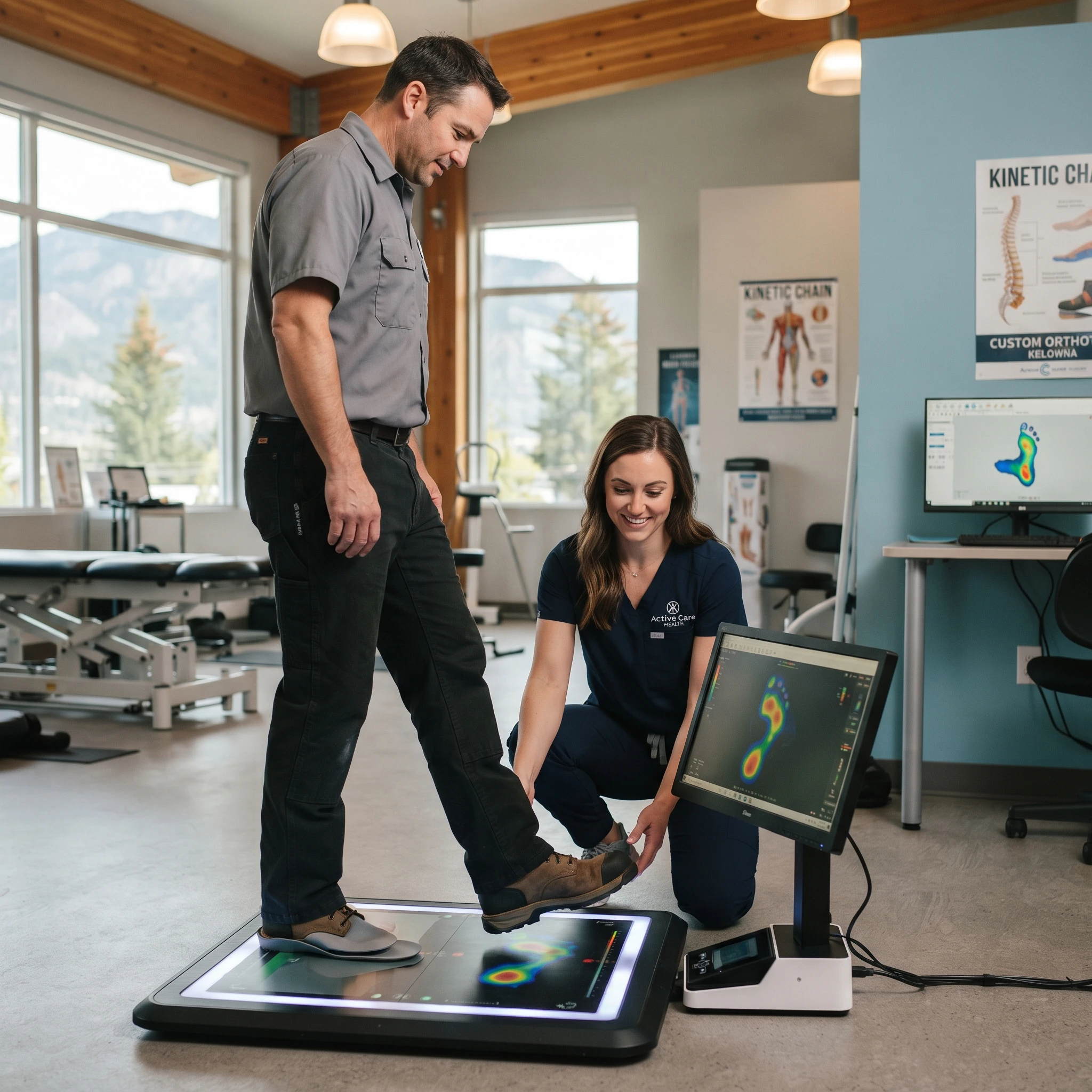
- Diagnostic Precision: The clinic should utilize objective diagnostic methods, such as digital postural analysis, orthopedic testing, or functional movement screens, rather than relying solely on subjective reports of pain.
- Evidence-Based Treatment Protocols: Ensure the treatment plan focuses on measurable outcomes, such as increased range of motion or improved muscle strength, rather than open-ended care schedules.
- Interdisciplinary Communication: A professional clinic should be willing to communicate with other members of the patient’s healthcare team, such as primary care physicians or physical therapists, to ensure a coordinated approach to recovery.
Occupational Longevity Through Preventive Care
The goal of chiropractic care for healthcare workers is the extension of their professional career through the prevention of debilitating injury. By addressing minor misalignments before they become chronic conditions, caregivers can maintain the physical durability required for their roles.
- Routine spinal assessments to identify biomechanical imbalances.
- Targeted adjustments to alleviate joint restrictions.
- Ergonomic advice specific to patient-handling techniques.
- Postural corrections to counter the effects of prolonged standing.
- Soft tissue mobilization to address muscular tension and adhesions.
Frequently Asked Questions Regarding Chiropractic Care for Healthcare Workers
How frequently should a nurse receive chiropractic adjustments?
The frequency of care depends on the individual’s baseline physical condition and the intensity of their work schedule. A common technical approach involves a higher frequency during the initial phase of care to restore alignment, followed by a maintenance schedule that correlates with the worker’s shift cycles and physical load.
Is chiropractic care safe for healthcare workers with acute back injuries?
Yes, chiropractic care is often used to manage acute musculoskeletal injuries. The practitioner will perform a thorough examination to rule out contraindications such as fractures or severe disc herniations. Adjustments are then tailored to the specific injury to reduce inflammation and restore mobility safely.
Does chiropractic care help with the foot pain caused by long shifts?
While chiropractors focus primarily on the spine, many also specialize in the extremities. Adjusting the small bones of the feet and addressing pelvic misalignments can significantly improve weight distribution, which alleviates the strain on the feet and ankles during twelve-hour shifts.
Can chiropractic care improve lifting technique?
While chiropractic adjustments address the structural side of the body, many practitioners also provide functional coaching. This includes teaching nurses how to engage their core and maintain a neutral spine during lifting maneuvers, effectively combining structural alignment with better ergonomic habits.